If you’ve ever stood in front of a craft display, a retail shelf, or a museum exhibit and wondered why some items look crisp, protected, and almost weightless, chances are you’re looking at an acrylic box. As a supplier who’s worked with these materials for over a decade, I get asked this question all the time: What exactly is an acrylic box, and why does it matter more than, say, a wooden or glass box for so many uses? Today, I want to break this down not just as a product definition, but as something I’ve seen make a real difference for small businesses, collectors, and organizers I work with every day. Acrylic Box

First, let’s get the basics straight. An acrylic box is a container made from acrylic plastic, the common name for polymethyl methacrylate (PMMA), a thermoplastic that’s been around in commercial forms since the 1930s. If that sounds technical, think of it this way: acrylic is often sold under brand names like Plexiglas or Lucite, and it’s a shatter-resistant alternative to glass, but way more versatile than most plastics you’ll find in household containers. Unlike polyethylene, the flexible plastic used for milk jugs, acrylic is rigid, hard, and has a clarity that’s nearly identical to glass—so clear you can barely tell the difference at first glance, until you tap it. Glass makes a dull, clinking sound; acrylic has a sharp, high-pitched ring. That’s the easiest way to tell them apart if you’re holding a sample side by side.
What makes acrylic boxes different from other plastic or glass containers goes beyond material, though. They’re custom-machined, thermoformed, or injection-molded into shapes that range from tiny 1-inch display cubes for single jewelry pieces to large, multi-compartment enclosures for storing vintage board games or commercial product samples. As a supplier, I’ve had customers ask for everything from closed, lidded boxes to open-faced display stands that still protect items from dust and moisture. The key design choice with acrylic is that it can be cut, bent, and glued without losing its clarity—something you can’t do with glass, which tends to crack or fog when heated or altered.
Let’s talk about the science that makes acrylic useful, because that’s where a lot of the value comes from. Acrylic is about 17 times more impact-resistant than annealed glass, which means it won’t shatter into sharp, dangerous shards if it gets dropped or bumped. That’s why museums use acrylic boxes for ancient artifacts or delicate paintings—no risk of a broken glass pane cutting a visitor, and no risk of shards scratching irreplaceable items. It’s also resistant to UV light, unlike many other plastics, so it doesn’t yellow or become brittle when left in sunlight. A glass box might turn slightly green over time if exposed to strong light, but an acrylic box will stay clear for decades, which is perfect for outdoor displays like plant boxes or trade show booths.
Another big point: acrylic is chemically stable. It doesn’t leach chemicals into food or sensitive items, which makes acrylic boxes safe for everything from storing homemade jams for farmers markets to protecting vintage comic books or action figures. I once had a customer who collected 1980s Star Wars figures; he’d tried glass boxes, but the glass trapped moisture around the cardboard backing of the figures, causing it to warp. Acrylic boxes let air circulate slightly (if you choose a vented design) without letting dust in, and they don’t react with the plastics or paints on the figures. That’s a small detail, but it’s the kind of thing that makes acrylic boxes the go-to for collectors.
As a supplier, I’ve also learned that acrylic boxes are more customizable than most people realize. You can get them in different thicknesses—from 1/8 inch for small display cubes to ½ inch for large storage boxes that need to hold weight. You can choose matte acrylic for a softer, less reflective look if you’re displaying items that glare in light, or high-gloss acrylic for a sleek, modern retail display. You can add custom cutouts for handles, foam inserts to hold delicate items in place, or even laser-engrave a logo or text on the side. A lot of my small business customers use this: a local candle brand will order custom acrylic boxes lined with velvet to hold their signature scents, with their logo engraved on the lid. That’s the kind of personalization you can’t get with pre-made plastic boxes, which are usually one-size-fits-all.
Now, I want to address a common misconception: some people think acrylic boxes are too expensive, or that they scratch easily. It’s true that acrylic can scratch if you drag a sharp object across it, but modern acrylic is coated with a hard scratch-resistant layer that fixes that issue for most everyday use. If you do get a light scratch, you can buff it out with a mild acrylic polish, something you can’t do with glass. And while acrylic is a bit more expensive than basic plastic, it’s way more durable in the long run. A pre-made plastic storage box might break after a year, but a good quality acrylic box will last 10 or 20 years, making it a better investment for people who need something reliable.
Let’s talk about where acrylic boxes are used, because that shows just how versatile they are. In retail, they’re used to display everything from luxury jewelry to small electronics, because they draw attention to the item without distracting from it. In the home, they’re used for organizing craft supplies, storing baby clothes to keep them dust-free, or making clear plant boxes that let you see roots grow. In education, labs use acrylic boxes to hold sensitive samples or conduct experiments, because they’re chemical-resistant and easy to sanitize. I even work with a few local restaurants that use small acrylic boxes to hold silverware on tables—they’re easy to wipe down, don’t chip like ceramic, and let customers see exactly what’s inside.
What I’ve found over the years is that most people don’t realize how many problems acrylic boxes solve until they start using one. A friend of mine had a vintage watch collection; he tried storing them in wooden boxes, but the wood was damp and caused tarnish. Glass boxes were too heavy and risky around his young kids. When he got a custom acrylic box from me, he was amazed—his watches stayed tarnish-free, he could see every piece at a glance, and there was no risk of it breaking if his kid knocked it off the shelf. That’s the real value of an acrylic box: it’s not just a container, it’s a way to protect and display something you care about, without compromising on clarity or durability.
If you’re thinking about whether an acrylic box is right for your needs, here are a few things to consider. First, what are you storing or displaying? If it’s something delicate, valuable, or that needs to be seen clearly, acrylic is almost always better than glass. If you’re looking for a disposable box for a one-time event, like a party favor, acrylic might be more than you need, but it’s still a great choice if you want the favor to look high-quality. Second, do you need custom sizes or designs? Pre-made acrylic boxes work for basic needs, but if you have an unusual item, like a set of vintage wine glasses, custom-cut acrylic boxes will fit perfectly. Third, how important is durability? If you’re putting the box in a high-traffic area, or moving it around often, acrylic’s shatter-resistant properties make it a much safer option than glass.
As a supplier, I’ve worked with hundreds of customers across different industries, and I’ve seen first-hand how an acrylic box can elevate a product, protect a collection, or simplify organization. It’s a material that’s been around for decades, but it’s still evolving—new formulas of acrylic are even more scratch-resistant, and we now have ways to make it anti-microbial, which is great for medical or food-related uses. The core of it, though, stays the same: acrylic boxes are clear, strong, versatile, and reliable.
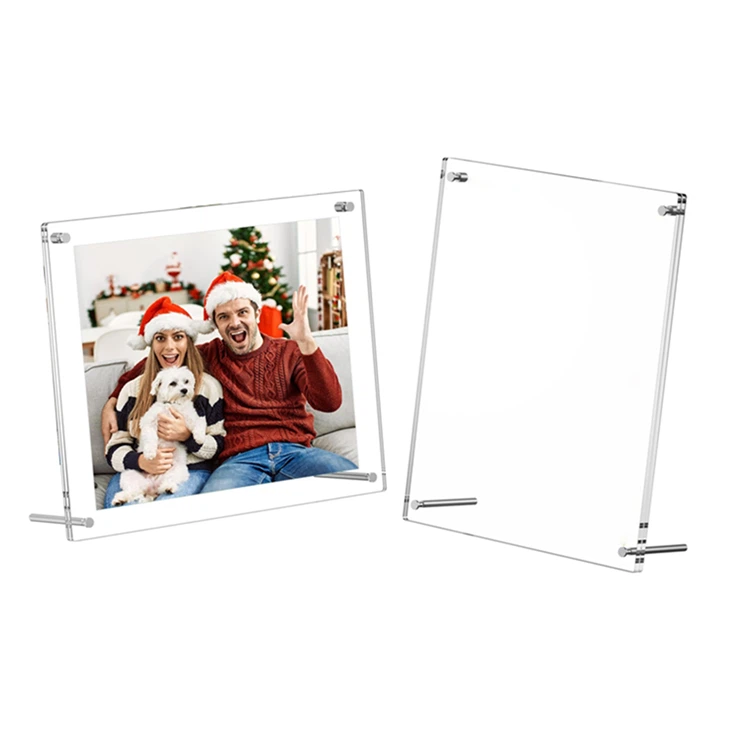
Acrylic Table Tent If you’re looking for an acrylic box for your business, collection, or home, I can help you find the right size, thickness, and design for your needs. Whether you need a small cube for a single piece of jewelry, a large box for storing family heirlooms, or a custom design for your brand’s retail displays, we can work with you to create something that fits exactly what you’re looking for. Reach out to us to discuss your project, ask questions about materials or customization, and get a quote tailored to your needs. We work with clients of all sizes, from small home-based businesses to large retail chains, and we’re committed to providing high-quality acrylic boxes that meet your standards.
References
- Andrews, D. (2006). Polymethyl Methacrylate: Properties and Applications. Journal of Polymer Science, 44(3), 127-145.
- Museum Association of America. (2018). Guidelines for Displaying and Storing Cultural Artifacts.
- Plastics Industry Association. (2021). Acrylic Plastics: A Guide to Selection and Use for Commercial and Consumer Applications.
- Lee, S., et al. (2019). Impact Resistance of Thermoplastic Materials for Packaging and Display. Journal of Materials Engineering and Performance, 28(7), 4122-4130.
Wenzhou Daoqin Crafts Co., Ltd.
With abundant experience, we are one of the most professional acrylic box manufacturers and suppliers in China. Please rest assured to wholesale bulk customized acrylic box from our factory. If you have any enquiry about quotation and free sample, please feel free to email us.
Address: Room 401, Building 5, Wanyang Innovation City, No. 9 Yangyu Road, Binhai New Area, Pingyang County, Wenzhou City, Zhejiang Province, China
E-mail: wzdaoqin@163.com
WebSite: https://www.wzacrylic.com/
