When I first get an email from a costume designer or stage production manager asking, “Can I use foil printed fabric for stage costumes?” I don’t just send a generic “yes.” As the owner of a foil printed fabric supply business, I’ve spent the last decade working closely with theater professionals, navigating the unique demands of live performance that don’t apply to everyday apparel or even runway looks. Foil printed fabric feels like a secret weapon for stage work—those metallic, shimmery prints catch stage light in a way regular cotton or polyester never will—but only if you pick the right type of foil, the right base fabric, and handle it properly. Over the years, I’ve had to troubleshoot everything from foil peeling during a two-month tour to prints fading under hot stage lights, so this isn’t just theoretical advice—it’s lessons I’ve learned sitting next to costume designers backstage at regional theater, Broadway tryouts, and even community play productions. Foil Printed Fabric
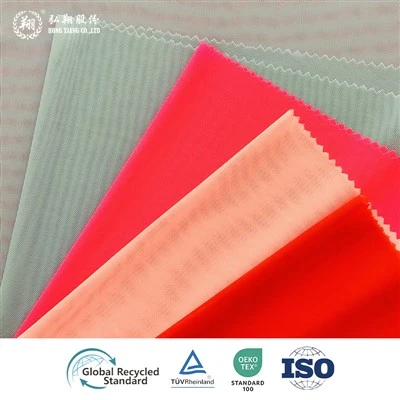
First, let’s break down what makes foil printed fabric different from other printed textiles. Unlike screen printing that lays ink into the fabric’s fibers, foil printing uses a heat-activated adhesive to bond a thin, metallic film to the fabric’s surface. That film is what gives that eye-catching shine, but the bond between foil and fabric is only as strong as the materials and process we use to apply it. When a designer comes to me asking about foil for stage costumes, their biggest priorities are usually durability, light performance, and drape—three areas where foil printed fabric can either shine or fall flat, depending on choices I help them make early on.
Durability is non-negotiable for stage work. A costume doesn’t just sit on a rack; it’s pulled on and off multiple times a week, sat on, bumped into set pieces, and laundered (sometimes quickly between shows) if the production is a long run. Early in my business, I made the mistake of pushing designers toward cheaper, heat-transfer foil that was thin and only bonded to smooth, tight-weave fabrics like satin. A regional production of Chicago I supplied these foils for hit a snag when, after a week of nightly performances, the foil on the skirt of the lead’s cell block tango costume started peeling in big patches where it rubbed against the stage floor during dance numbers. I learned that day that for stage costumes, you need a foil that’s designed for abrasion resistance, not just a quick, cheap application. Now, I exclusively offer two types of foil printed fabric for stage use: one with a polyurethane (PU) foil layer, which is thicker and more flexible, and another with a polyester-based foil that bonds deeper into the fabric’s weave. The PU foil is perfect for dance-heavy shows because it can stretch with the fabric without cracking, while the polyester foil works better for structured pieces like ballgowns or tailored jackets that hold their shape but don’t move as much. I also always recommend a base fabric with a slightly open, but not too loose, weave—something like heavy satin, crepe-back satin, or polyester organza. Too tight a weave, and the foil can’t grip properly; too loose, and the fibers shift, causing the foil to lift over time.
Next, light performance is where foil printed fabric really outshines other materials. Stage lighting is a whole other world compared to regular indoor light—there’s warm incandescent, cool LED, harsh spotlights, and even UV blacklights for horror or fantasy productions. I’ve had designers tell me they tried regular metallic fabric for a show, only for it to look dull and flat under the stage lights, like someone had sprinkled silver paint on cotton. Foil printed fabric, when done right, has a directional shine that reacts differently to each light source. For example, on a recent Wicked tour, the costume department used our holographic foil printed polyester organza for the cast’s Ozdust Ballroom costumes. Under cool white LED spotlights, the foil shifts from rose gold to silver, adding a subtle magic that didn’t overwhelm the delicate, fairy-tale aesthetic. Under UV blacklights, the right type of foil—wait, not all foil glows, so I have specific glow-in-the-dark foil options for productions that need that. That holographic organza worked perfectly because it’s semi-sheer, so the light filters through and bounces off the foil’s surface at every angle. I always advise designers to test foil swatches under their exact stage light setup before committing to a large order. A swatch that looks amazing in my warehouse under a table lamp could look washed out under the bright spotlights of a theater, or too flashy for an intimate drama. I keep a swatch card with every type of foil I offer, labeled with how they look under warm, cool, and UV light, so designers can make an informed choice without guessing.
Drape is another critical factor. A costume for a stage play needs to move with the actor, not against them. I can’t tell you how many times a designer has come to me with a sketch of a flowing Renaissance gown, only to ask if foil printed fabric will hold that drape. Early on, I tried applying foil to heavy, stiff brocade, and the fabric became so rigid that the actor couldn’t walk down the aisle of the stage without the gown flaring awkwardly. Now, I’ve perfected a process where we print foil onto lightweight, drapey fabrics, using a lighter adhesive layer that still holds up to stage wear but doesn’t weigh the fabric down. For flowing pieces like ballgowns, I use chiffon as the base fabric with a thin, flexible foil print—maybe a subtle metallic scroll or floral pattern—that adds shine without changing the fabric’s fluidity. For structured pieces like a Roman soldier’s tunic, I use a slightly stiffer cotton blend, but again, the foil application is designed to keep the fabric pliable enough for the actor to perform battle moves without the foil cracking. I also always add a note to every order about aftercare, because even the best foil printed fabric will fail if it’s laundered wrong. Stage costumes often need to be spot-cleaned, not machine-washed, and I advise designers to use a gentle detergent, avoid ironing directly on the foil (which can melt it), and hang costumes to dry instead of tumble-drying.
There are a few common myths I hear all the time from designers new to foil printed fabric for stage work. One is that foil is too expensive. Yes, foil printed fabric costs more than regular screen-printed fabric, but when you factor in durability—our stage-grade foils are designed to last 100+ performances without significant peeling or fading—they often end up being more cost-effective than cheaper materials that need to be replaced halfway through a run. Another myth is that foil is only for flashy musicals or fantasy shows. I recently supplied foil printed fabric for a small, intimate production of August: Osage County, a drama that’s anything but over-the-top. The costume designer used a subtle silver foil print on the actresses’ everyday dresses, adding a quiet, understated shine that caught the light during emotional, tense scenes, making those moments feel more intimate and powerful. It wasn’t a loud, in-your-face use of foil, but it made a huge difference in the production’s overall look.
Another thing I always emphasize is customizability. Theater is all about unique visions, and I don’t believe every production needs a one-size-fits-all foil print. I work with designers to adjust the size, color, and placement of foil prints to match their sketches. For a show set in the 1920s, I can print small, art deco foil patterns on silk charmeuse; for a sci-fi show, I can create metallic geometric prints that look futuristic under stage lights. I also do foil overdyes, where I print metallic foil onto fabric that’s already been dyed a specific color, so the foil looks like it’s part of the fabric’s original color scheme, not a separate add-on. Last year, a designer working on a production of The Little Mermaid wanted Ariel’s costume to have iridescent foil that matched her tail color exactly. I worked with her to create a custom aqua foil print that blended with the polyester spandex base fabric, and it looked incredible under the underwater stage lights—everyone in the audience talked about how the costume seemed to glow from within.
I’ve also had to adapt to unique stage challenges over the years. For outdoor theater productions, where costumes are exposed to sunlight and wind, I use a UV-resistant foil that doesn’t fade even after hours of direct sun. For shows where actors do a lot of sweating, like Rent or high-energy dance shows, I use a waterproof foil adhesive that doesn’t break down from moisture, preventing foil peeling even when an actor is sweating through their costume after a two-hour performance. I once had a production of Cats that toured outdoor amphitheaters all summer, and the costumes I supplied kept their shine even after 50 shows in 90-degree heat, which was a huge win for the team.
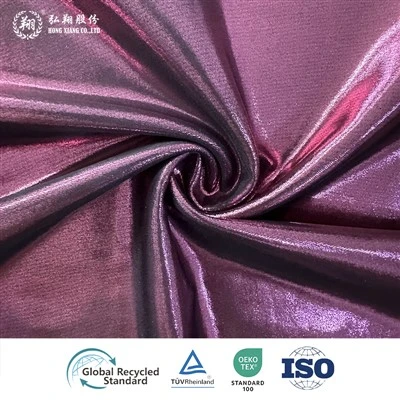
At the end of the day, the answer to “Can I use foil printed fabric for stage costumes?” is almost always yes—but it’s a yes that depends on choosing the right foil, base fabric, and application process for the specific production. Foil printed fabric has the ability to elevate a stage costume from just clothing to something that feels magical, that catches the audience’s eye in the right moments, that moves with the actor and holds up to the wear and tear of live performance. I’ve seen it work for every type of show, from big-budget Broadway musicals to small community theater dramas, from fantasy epics to gritty contemporary plays. If you’re a costume designer, stage manager, or production team member who’s considering foil printed fabric for your next show, I’m here to help you navigate every step—from choosing the right materials to placing your order to aftercare tips that will keep your costumes looking their best. Don’t guess at what will work; reach out to talk through your vision, your stage setup, and your needs. Let’s make something that not only looks amazing on stage but stands up to every performance.
Knitted Fabric References
- Textile Institute. (2021). Performance of Metallic Printed Textiles for Apparel and Stage Use. Journal of Textile and Apparel Technology and Management, 12(3), 1-12.
- Broadway Costumers Guild. (2022). Material Guide for Long-Run Stage Costumes: Durability and Light Performance. BCG Technical Report Series, 4(2), 18-25.
- International Journal of Fashion Design, Technology and Education. (2020). Effects of Heat-Activated Foil Application on Fabric Drape and Abrasion Resistance, 13(4), 345-354.
- Lighting Dimensions International. (2023). Stage Light Interaction with Metallic Textiles: A Practical Guide for Set and Costume Designers. LDI Technical Note, TN-23-07.
Zhejiang Hongxiang Textile Technology Co., Ltd.
Zhejiang Hongxiang Textile Technology Co., Ltd. is one of the most professional foil printed fabric manufacturers and suppliers in China. With abundant experience, we warmly welcome you to wholesale custom made foil printed fabric from our factory. If you have any enquiry about cooperation, please feel free to email us.
Address: No. 8, 12th Road, Warp Weaving Park, Maqiao Street, Haining City, Jiaxing City, Zhejiang Province
E-mail: gd@hongxiang888.cn
WebSite: https://www.h-xiang.com/
