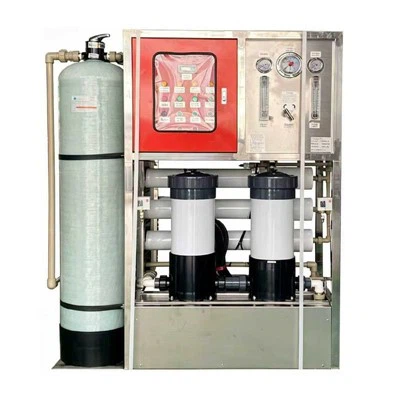
Hey there! As a supplier of EDI and CEDI equipment, I’ve seen firsthand how crucial it is to optimize the operation of this gear. It not only ensures top – notch performance but also helps in saving costs in the long run. So, let’s dive into some practical tips on how to make your EDI equipment run like a well – oiled machine. EDI and CEDI Equipment
1. Regular Pre – treatment
Before the water even hits the EDI unit, proper pre – treatment is a must. Most EDI systems are pretty sensitive to contaminants like particulate matter, chlorine, and hardness. Particulate matter can clog up the system, blocking the flow and reducing efficiency. Chlorine is a big no – no as it can damage the ion – exchange membranes in the EDI. And high hardness can lead to scaling, which is a real headache.
To deal with particulate matter, you can use sediment filters. These are relatively cheap and easy to replace. They trap the larger particles, preventing them from entering the EDI. For chlorine removal, activated carbon filters are your best bet. They adsorb chlorine and other organic compounds effectively. And to tackle hardness, you can install a water softener. It exchanges the calcium and magnesium ions (which cause hardness) with sodium ions, reducing the risk of scaling.
2. Monitor and Adjust Feed Water Quality
Keep a close eye on the feed water quality. You should regularly test parameters like pH, conductivity, and temperature. The pH of the feed water can have a significant impact on the performance of the EDI. Most EDI systems work best within a specific pH range, usually around 6.5 – 8.5. If the pH is too low or too high, it can affect the ion – exchange process, leading to decreased efficiency.
Conductivity is another important factor. It measures the ability of the water to conduct an electric current, which is a direct indication of the dissolved ion concentration. High conductivity means there are more ions in the water, which can put more stress on the EDI. You may need to adjust the pre – treatment process if the conductivity is consistently high. Temperature also matters. EDI systems generally perform better within a certain temperature range, often between 5 – 45°C. If the water is too cold, the ion – exchange reactions slow down, and if it’s too hot, it can damage the components.
3. Maintain Proper Flow Rates
Getting the flow rates right is crucial for the optimal operation of EDI equipment. The flow rate of the feed water affects how much time the water spends in the EDI unit and how effectively the ions are removed. If the flow rate is too high, the water may not stay in the unit long enough for the ions to be fully removed. On the other hand, if the flow rate is too low, it can lead to stagnant water, which may cause scaling and microbial growth.
Most EDI manufacturers provide recommended flow rates for their equipment. You should follow these guidelines closely. You can use flow meters to monitor the flow rates and adjust the valves accordingly. Make sure to check the flow rates regularly, as changes in the system (like clogged filters) can affect them.
4. Manage Electrical Parameters
EDI equipment relies on an electric current to drive the ion – exchange process. So, managing the electrical parameters is essential. You need to ensure that the voltage and current are set correctly. Too high a voltage can cause overheating and damage the membranes, while too low a voltage won’t be sufficient to remove the ions effectively.
Most modern EDI systems have built – in controllers that can automatically adjust the electrical parameters based on the water quality and flow rate. However, it’s still a good idea to monitor these parameters regularly. You can use voltmeters and ammeters to check the voltage and current. If you notice any significant deviations from the normal values, it could be a sign of a problem with the system.
5. Clean and Replace Components
Over time, components in the EDI system will wear out or get dirty. Regular cleaning and replacement are necessary to keep the system running smoothly. The ion – exchange membranes, for example, can get fouled with contaminants over time. You can clean them using a mild cleaning solution. However, if they are severely damaged, you’ll need to replace them.
The electrodes also need attention. They can corrode or accumulate deposits, which can affect their performance. You should clean the electrodes regularly and replace them if necessary. Additionally, check the gaskets and seals for any signs of wear or leaks. Leaks can not only waste water but also reduce the efficiency of the system.
6. Train Your Staff
If you have a team operating the EDI equipment, proper training is essential. They should know how to operate the system correctly, monitor the important parameters, and perform basic maintenance tasks. A well – trained staff can quickly identify and address any issues that arise, preventing small problems from turning into big disasters.
You can provide on – the – job training, or even send your staff to workshops organized by the equipment manufacturers. This will not only improve the performance of the EDI system but also increase the safety of the operation.
7. Keep a Maintenance Log
It’s a good practice to keep a maintenance log for your EDI equipment. Record details such as the dates of maintenance, the type of maintenance performed (e.g., cleaning, component replacement), the values of the monitored parameters (pH, conductivity, etc.), and any issues that were encountered. This log can help you track the performance of the system over time, identify recurring problems, and plan for future maintenance.
By having a clear record, you can also prove that you’ve been taking proper care of the equipment, which can be useful for warranty claims or when selling the equipment.
8. Work with a Reliable Supplier
As a supplier of EDI and CEDI equipment, I know how important it is to work with a reliable partner. A good supplier can provide you with high – quality equipment, offer technical support, and supply genuine replacement parts. We are committed to delivering the best products and services to our customers. If you face any issues with your EDI equipment, we’re just a call or an email away.
We also keep up with the latest technological advancements in the EDI industry. This means we can offer you the most efficient and reliable equipment solutions. Whether you’re looking to upgrade your existing system or install a new one, we can help you make the right choice.
In conclusion, optimizing the operation of EDI equipment requires a combination of proper pre – treatment, careful monitoring, regular maintenance, and trained staff. By following these tips, you can ensure that your EDI system runs at its best, providing you with high – quality water and saving you money in the long term.
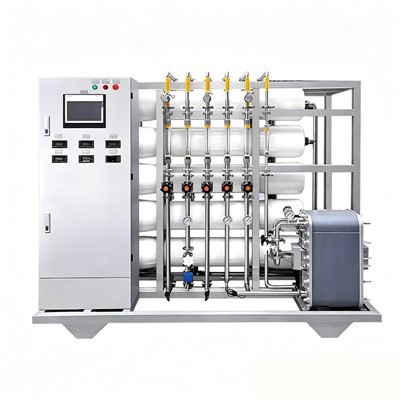
If you’re in the market for EDI or CEDI equipment, or if you need help optimizing your existing system, don’t hesitate to reach out. We’re here to assist you with all your EDI needs. Contact us to start a conversation about your requirements and let’s work together to find the best solution for you.
Reverse Osmosis Water System References:
- "EDI Technology Handbook" – A comprehensive guide on EDI systems and their operation.
- Manufacturer’s manuals for EDI and CEDI equipment, which provide detailed information on installation, operation, and maintenance.
Shandong Yanuo Environmental Protection Equipment Co., Ltd.
We’re well-known as one of the leading edi and cedi equipment manufacturers and suppliers in China, featured by quality products and good price. Please rest assured to buy bulk edi and cedi equipment made in China here from our factory. Customized orders are welcome.
Address: North Side of the Road, 1,000 Meters West of the Intersection of Fenghuangshan West Road and Provincial Highway S102, Wangfu Subdistrict, Qingzhou City, Weifang City, Shandong Province.
E-mail: ynhb.499973983@gmail.com
WebSite: https://www.zkyaruo.com/
