If you’ve ever stood on a dock watching large cargo ships glide into a busy harbor, you’ve probably wondered how they navigate the tight, crowded waters without running aground or colliding with other vessels. Most people assume this work falls solely to lighthouses, GPS systems, or the teams of tugboats that nudge ships into position. While those tools are critical, there’s a quiet, unsung workhorse making that process possible: the navigation mooring buoy. As a mooring buoy supplier of over 12 years, I’ve installed, maintained, and watched these buoys do their job every single day, and I’m here to break down exactly what they are, how they work, and why they matter more than ever for ports worldwide. Mooring Buoy
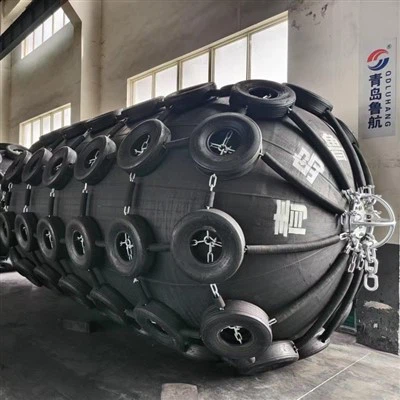
First, let’s get the basics straight: a navigation mooring buoy isn’t just a floating marker bobbing in the water. Unlike small marker buoys that signal a submerged rock or a no-wake zone, this is a heavy-duty, engineered piece of equipment designed for one core purpose: to act as a secure, reliable anchor point for large vessels when they’re navigating busy or shallow port waters. Let’s break down the name itself to clear up confusion. “Mooring” refers to the act of securing a ship to a fixed point, and “navigation” comes from the fact that these buoys are placed along pre-approved channels to guide ships to their designated berths, rather than being scattered randomly across the water. That dual purpose—guiding navigation and holding a ship’s weight—sets them apart from every other type of buoy on the water.
If you’ve ever seen a photo of a navigation mooring buoy, you might have noticed its signature look: a tall, cylindrical hull made from corrosion-resistant steel, concrete, or high-density polyethylene (HDPE), topped with a wide, heavy metal ring called a bollard. That bollard isn’t just for show—it’s the only part of the buoy large enough and strong enough to secure a 50,000-ton container ship, a 100,000-ton oil tanker, or even a cruise ship with a 100-meter mooring line. But here’s where the engineering gets interesting: these buoys aren’t anchored to the seabed like small mooring points. Instead, a navigation mooring buoy is secured to a massive, deadweight anchor that sits on the seabed, often 20 to 50 meters below the surface. That anchor weighs anywhere from 5 to 20 tons, depending on the size of vessels that will use the buoy, and it’s positioned so the buoy stays perfectly upright even in rough seas or strong currents.
Why is this design so important? Let’s compare it to a regular boat mooring rope tied to a piling on the dock. A piling is fixed to the seabed, but it only holds one boat at a time. A navigation mooring buoy can be used as a temporary berth in busy ports where every dock space is taken, or as a mid-channel marker to keep ships from straying into shallow water where they could run aground. For example, in the Port of Rotterdam, which sees over 12,000 large vessels a year, navigation mooring buoys are placed every 500 meters along the main approach channel. Each buoy is assigned a specific berth number, so captains can easily identify which spot is available when they’re navigating the port in low visibility, heavy fog, or at night.
That’s not to say navigation mooring buoys don’t have other uses. They also play a critical role in emergency situations. If a ship’s engine fails mid-channel, the crew can quickly tie a mooring line to the nearest buoy instead of drifting into a dangerous area. Or, during bad weather, buoys act as a safe haven for vessels that can’t make it to the dock before a storm hits. I’ve seen this firsthand during Hurricane Ian in 2022, when ports across the southeastern U.S. activated hundreds of navigation mooring buoys to hold ships secure during the storm, preventing millions of dollars in damage. Without those buoys, dozens of vessels would have run aground or collided with dock structures.
Now, let’s talk about what makes a navigation mooring buoy different from a standard marker buoy, because that’s a common mix-up. A marker buoy (the kind you see with red and green stripes) only has to float and signal a hazard—it doesn’t have to hold hundreds of tons of ship. A navigation mooring buoy, by contrast, is built to withstand constant stress from mooring lines, strong currents, and large waves. It also has to be highly visible, which is why most are painted bright, distinct colors—yellow, red, or white—with reflective strips or solar-powered lights for night use. Some high-tech models even have GPS transponders, so port authorities can track their position in real time, making it easier to manage traffic in crowded waters.
As a mooring buoy supplier, I can tell you that one of the biggest mistakes ports make is skimping on the quality of their navigation mooring buoys. A cheap, poorly built buoy might seem like a good short-term investment, but it can cause massive problems. Last decade, I worked with a small port in the Gulf of Mexico that bought low-cost HDPE buoys to cut costs. Within two years, three of the buoys had cracked in half during a tropical storm, and one had drifted off its channel marker, leading to a container ship running aground that cost the port over $2 million in repairs and lost cargo. That story drives home a key point: navigation mooring buoys aren’t just equipment—they’re critical infrastructure for safe, efficient port operations.
So how are these buoys installed and maintained? It’s not as simple as dropping a large object into the water. Installing a navigation mooring buoy requires specialized vessels, called buoy tenders, that can lower the deadweight anchor to the seabed, connect the buoy hull to the anchor with a heavy chain, and adjust the buoy’s position to stay exactly in its designated spot. Once installed, regular maintenance is non-negotiable. Every 6 to 12 months, technicians check the chain and bollard for corrosion, test the lights and GPS transponders, and lift the buoy out of the water to inspect its hull for damage. In saltwater environments, corrosion is a huge risk—even a small crack in the steel hull can lead to water filling the buoy, making it too heavy to stay upright.
Today, navigation mooring buoys are evolving to meet the demands of modern shipping. As ports get busier, with larger vessels carrying more cargo than ever before, buoys need to be stronger and more reliable. We’ve started supplying buoys with retractable bollards that can adjust to different vessel sizes, so one buoy can handle a small cargo ship and a large container ship. We’re also adding solar-powered monitoring systems that send real-time data on the buoy’s position, stress levels, and condition to port authorities. These systems help ports spot problems before they become emergencies—like a loose chain or a cracked hull—saving time and money.
Another big change is the push for more environmentally friendly buoys. Traditional navigation mooring buoys use heavy steel anchors that can drag on the seabed, disturbing marine life. Some of our newer models use recycled HDPE hulls and low-impact anchors that are shaped to avoid damaging coral reefs or seagrass beds. We also use bio-corrosion-resistant coatings that don’t leach harmful chemicals into the water, which is important as ports work to meet stricter environmental regulations.
Now, let’s talk about why this matters for anyone involved in shipping, port management, or even international trade. 90% of global trade is transported by sea, according to the United Nations Conference on Trade and Development, and every single one of those cargo ships relies on navigation mooring buoys at some point in their journey. Without these buoys, ports would be chaotic—ships would be unable to find safe berths, collisions would be common, and cargo would arrive late or damaged. For small ports that serve local fishing boats and passenger ferries, navigation mooring buoys also make the water safer for recreational vessels, reducing the risk of accidents in busy channels.
If you’re a port manager, a ship’s captain, or someone involved in maritime operations, you know how critical it is to have equipment you can trust. At our company, we’ve spent years perfecting our navigation mooring buoys, using only the highest-quality materials and rigorous testing to ensure they can handle the harshest conditions. We work with ports of all sizes, from small coastal harbors to major international hubs, to design custom buoys that fit their specific needs. Whether you’re looking to replace old, worn buoys, expand your channel network, or upgrade to high-tech, eco-friendly models, we have the expertise and equipment to help.

Don’t wait until a buoy fails to address your port’s needs. A reliable navigation mooring buoy is an investment in safety, efficiency, and peace of mind. If you’re ready to discuss your requirements, ask about custom solutions, or get a quote, we’re here to help. Reach out today to connect with our team of experts who can walk you through every step of the process, from design and installation to ongoing maintenance.
Boat Side Fender References
- International Association of Marine Aids to Navigation and Lighthouse Authorities. (2021). Navigation Mooring Buoys: Guidelines for Design and Installation.
- United Nations Conference on Trade and Development. (2023). Review of Maritime Transport.
- American Bureau of Shipping. (2022). Mooring Buoy Engineering Standards for Port Infrastructure.
- World Ports Climate Initiative. (2023). Eco-Friendly Maritime Infrastructure Report.
Qingdao Luhang Marine Airbag and Fender Co., Ltd.
Qingdao Luhang Marine Airbag and Fender Co., Ltd. is well-known as one of the leading mooring buoy manufacturers and suppliers in China. If you’re going to buy customized mooring buoy, welcome to get pricelist and quotation from our factory. For price consultation, contact us.
Address: No.7 Xiangjiang Road, Jimo Aera, Qingdao, China
E-mail: sale@luhanggroup.com
WebSite: https://www.marinefloatingfender.com/
