If you’ve ever worked in electrical panel manufacturing, solar panel production, or industrial control system assembly, you’ve probably heard the term “busbar” thrown around. But if you’re new to the game, let’s break it down quick: busbars are those flat, conductive metal bars (usually copper or aluminum) that carry high electrical current safely and efficiently through a system. Think of them as the “main roads” for electricity—way more reliable than a bunch of loose wires for high-power applications. Now, stick with me here, because the machine that builds these busbars? That’s a CNC busbar assembly machine, and it’s the unsung hero that’s turning what used to be a slow, error-prone manual job into something fast, precise, and consistent. Busbar Assembly Machine
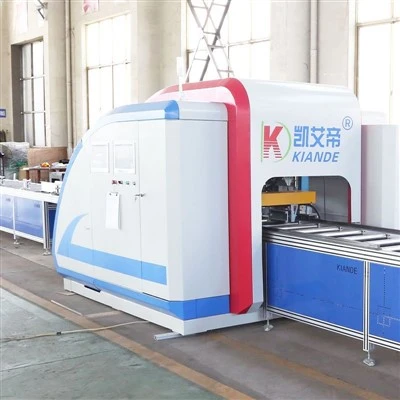
Before we dive into what a CNC busbar assembly machine actually does, let’s talk about why anyone would care. Not long ago, most busbar assembly was done by hand. A technician would cut a copper bar to size, drill holes for connectors, bend it to fit a panel, and make sure all the angles lined up right. For small batches, that worked okay. But for large-scale production—like building 10,000 solar inverters a month or 5,000 industrial switchgear units? Hand assembly is a nightmare. It’s slow, it’s full of human error (a miscalculated bend, a misaligned hole, and you’ve got a faulty panel), and it wastes expensive metal because of mistakes. That’s where CNC steps in.
First, let’s define “CNC” for anyone who’s still fuzzy: Computer Numerical Control. Basically, it’s a machine that follows pre-programmed digital instructions to do a task, no human hand guiding it every step of the way. So a CNC busbar assembly machine takes that core tech and tailors it exactly to busbar work. It’s not like a generic CNC mill you’d use for wood or metal parts—this machine is built from the ground up to handle the specific quirks of copper and aluminum bars.
What does a day in the life of this machine look like, anyway? Let’s walk through a typical workflow to make it real. Let’s say we’re making busbars for a 480V electrical panel, a super common use case. First, you load a raw copper bar (they come in coils, usually 5 to 20 feet long) into the machine’s feed system. From there, the CNC takes over. Step one: cutting. The machine measures the exact length you need, then uses a precision shear or a laser cutter to trim the bar clean—no rough edges, no uneven cuts, which is key for electrical connections.
Next up: notching and punching. Busbars need holes where you bolt on circuit breakers or other components, right? A CNC busbar machine has multiple punch tools that can make different size holes in seconds. Need a ½ inch hole for a ¼ inch bolt? No problem. Need a slot for a specific connector? The machine’s program tells the punch head exactly where to go, within a fraction of a millimeter. And notching? That’s when you cut out a section of the bar to fit around another part of the panel, so the busbar doesn’t interfere with wiring or other components. Again, the CNC gets it right every time, no guessing.
Then comes bending. This is where manual assembly really falls apart—bending a copper bar to a 45-degree angle with a handheld bender takes practice, and even experienced techs can get angles off by a few degrees, which messes up how the busbar fits in the panel. A CNC busbar machine has automated bending stations that use hydraulic or electric presses to fold the bar at exact angles (from 0 to 180 degrees, usually) with repeatable accuracy. Bend it 90 degrees one time, and it’ll bend the same way 10,000 times later. Some machines even do multiple bends in one pass, so you don’t have to move the bar around between steps.
Wait, there’s more—some of these machines do extra steps too, like surface finishing or labeling. If you need to tin the busbar (coat it with a thin layer of tin to prevent corrosion), the machine can run it through a tinning station automatically. Or if you need to label each bar with a part number or current rating, it can print a small label right on the bar with a laser or inkjet, so you never mix up parts. And for really high-volume shops, some CNC busbar machines even integrate with other equipment—like a coil feeder that loads raw metal nonstop, or a conveyor that moves finished bars straight to packaging.
Now, let’s talk about why this isn’t just a “nice to have” for manufacturers—it’s a game-changer. Let’s run the numbers. A skilled tech might assemble 10 to 15 busbars an hour. A CNC machine? It can do 50 to 100, depending on the size and complexity. That’s 5x the output, no extra labor. But it’s not just speed—precision is everything in electrical work. A misaligned hole or a bend off by 2 degrees might not sound like a big deal, but it can cause a loose connection, overheating, or even a power failure in a panel. CNC machines have tolerance levels as tight as ±0.1mm, which is impossible to hit consistently by hand. Less errors mean less rework, less wasted material (copper is expensive, y’all), and happier customers who don’t get faulty products.
Another big plus: flexibility. Back in the manual days, if you needed a new busbar design, you had to make a custom jig, tool, or mold for the bender, which took days or weeks. With a CNC machine? All you do is upload a new design file (like a DXF or STEP file, the same ones you use for CAD drawings), adjust a few settings, and you’re good to go. That means manufacturers can switch between small batches of custom busbars and large runs of standard ones without breaking a sweat. Perfect for shops that do both custom orders and high-volume production.
But wait—this isn’t just for big factories. I’ve seen small electrical shops pick up a mid-sized CNC busbar machine and triple their business. Before, they could only take on jobs with 50+ busbars because manual labor was too slow. Now, they can do custom jobs for a single client, make 10 busbars in an hour, and charge more for those small, precise orders. It levels the playing field between small shops and big manufacturers.
Now, let’s be real—no machine is perfect, and a CNC busbar assembly machine isn’t a set-it-and-forget-it tool. You still need someone to program it, load the raw material, and do routine maintenance (like sharpening the punches, cleaning the laser lens, or checking the bend accuracy). But compared to the alternative, the time spent on that is way less than the time you’d lose to manual errors. Also, not all CNC busbar machines are the same. Some are compact, tabletop models for small shops, while others are huge, multi-station lines for full-scale production. You don’t need to buy a $500k machine if you’re only doing 100 busbars a month—there’s a size and price point for every budget.
So, who uses these machines anyway? Let’s list a few industries to make it relatable. Solar power: Solar inverters have hundreds of busbars carrying current from the panels to the battery or grid, and they need to be super reliable. EV manufacturing: Electric vehicles use busbars instead of wires for the battery pack, because they can handle the massive current needed, and CNC machines make those complex, compact busbars. Industrial automation: Control panels for factories, robots, and conveyor systems all rely on precise busbars. Even data centers—those big server rooms need huge busbars to distribute power safely, and one mistake in those could shut down thousands of servers.
I’ve talked to a lot of guys in this industry who used to swear by manual busbar work, until they invested in a CNC machine. One shop owner told me he used to throw away 15% of his copper bars because of manual cuts and bends. After getting a CNC machine, that waste dropped to less than 2%—that’s thousands of dollars saved every year. Another guy said he could finally take on a big contract for a 1,000-unit order, because he could deliver it in a week instead of a month.
At the end of the day, a CNC busbar assembly machine is more than just a metal-bending robot. It’s a tool that solves two of the biggest headaches in electrical manufacturing: slowness and inconsistency. It turns a tedious, error-prone manual job into something efficient, accurate, and flexible. Whether you’re a small shop looking to grow or a big manufacturer trying to keep up with demand, this machine will change how you do busbar work.

If you’re tired of wasting time and money on manual busbar assembly, and you’re ready to see what a CNC machine can do for your operation, get in touch with us. We’ve helped dozens of shops size up the right machine for their needs, from compact tabletop models to full production lines, and we can walk you through what fits your workflow. No pressure, just straight talk about how to make your busbar process better.
Busbar Assembly Machine References
- Electrical Manufacturing & Maintenance. (2022). “Busbar Technology: Design, Assembly, and Industry Applications.”
- CNC Machine Tools Association. (2023). “Precision Machining in Electrical Components: Best Practices.”
- Solar Power World. (2021). “Manufacturing Trends in Solar Inverter Busbar Assembly.”
- Industrial Automation Journal. (2022). “Busbar Systems for EV Battery Packs: Efficiency and Precision Requirements.
Suzhou Kiande Electric Co., Ltd.
Suzhou Kiande Electric Co., Ltd. is one of the most professional busbar assembly machine manufacturers and suppliers in China, also supports custom service and OEM&ODM service. Welcome to buy durable busbar assembly machine made in China here and get quotation from our factory. Quality products and reasonable price are available.
Address: No.123, Suzhou Avenue East, Suzhou Industrial Park Suzhou, Jiangsu 215000 China
E-mail: saleswmkc@kiande.cn
WebSite: https://www.busbarcncmachine.com/
