If you’ve ever stood over a sink, a grimy stovetop, or a caked-on patio tile, staring at a scrubbing pad that’s already frayed, stained, and missing half its scrubbing power, you know the frustration: these small, often disposable tools add up fast in both your household budget and your local waste bin. As a scrubbing pads supplier, I’ve heard this complaint a hundred times from both residential customers and commercial cleaning teams, and the truth is most people don’t realize how simple it is to make a scrubbing pad last two, three, even four times longer than the average use-by timeline many of us accept. I’ve spent years testing and refining our own products, working with manufacturing teams to tweak material density and abrasive composition, and talking to cleaners of all skill levels to figure out what works—and what doesn’t—when it comes to extending the life of these hardworking little tools. Let’s break this down, starting with how most of us are misusing our scrubbing pads, then moving to actionable, science-backed habits, and finally, the small product tweaks that make a big difference if you’re ready to invest in better, longer-lasting cleaning supplies. Scrubbing Pads
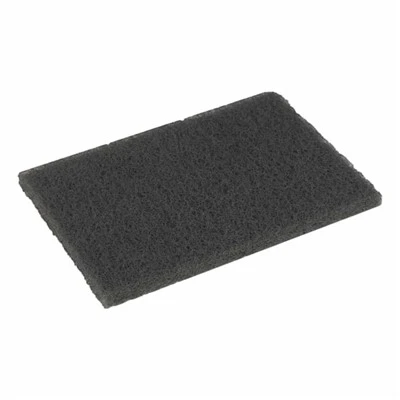
First, let’s get one thing straight: not all scrubbing pads are created equal, and that first mistake many people make is matching the wrong pad to the wrong job. I’ve seen customers grab a steel wool pad meant for burnt-on oven messes to scrub a delicate non-stick pan, destroying both the pan and the pad in one use. Steel wool, while tough for heavy rust or baked-on grease, is far too abrasive for soft surfaces like non-stick cookware, glazed ceramic dishes, or even finished wood countertops. It bends and frays almost immediately when used on these smooth, gentler surfaces, wasting its abrasive fibers before they can do any real work. On the flip side, using a soft, nylon pad meant for dish soap and everyday crumbs to scrape off dried-on cement or paint splatters will leave the pad caked in material, with its tiny scrubbing ridges packed so tight it can’t clean anything effectively after just one use. That’s the first rule of extending your scrubbing pad’s life: pick the right pad for the job. For heavy-duty, rough surfaces (grill grates, patio tile, tough kitchen floors), use a rigid, high-density abrasive pad with thick, evenly spaced scrubbing fibers. For everyday dishes or light counter messes, opt for a soft, low-abrasion nylon pad that’s designed to lift food residue without scratching. This simple step alone can double the life of your pad, because you’re not forcing it to do work it’s not built for.
Next, the most common mistake I see is not cleaning the scrubbing pad immediately after use. Think about it: when you’re done scrubbing the stove, you might rinse the pad under the tap and toss it in the sink, then go make dinner, or put the kids to bed, and forget about it until the next cleaning day. But food residue, grease, soap scum, and even small amounts of dirt get trapped in the tiny gaps between the scrubbing fibers of a pad. Left to sit, that residue hardens, dries, and becomes almost impossible to scrub out later. It clogs the pad’s pores, so when you go to use it again, the water and cleaning product can’t penetrate the fibers to reach the surface you’re cleaning. The pad loses its scrubbing power because it’s full of gunk, not because its fibers are actually worn out. That’s a waste of a perfectly good pad. The fix here is a two-step rinse right after use. First, run the pad under hot water—hot enough to melt grease and loosen stuck-on food—while gently squeezing it a few times to push water through the fibers. For really tough messes, like a pad that’s been used to scrub burnt-on cheese, squirt a small amount of dish soap onto the pad and scrub it against your palm a few times before rinsing. This dislodges trapped food particles that would otherwise harden. After rinsing, wring the pad out as completely as possible. A wet pad is a breeding ground for bacteria and mold, and when it’s damp, the fibers stay limp and break down faster. Wringing it out thoroughly (I like to squeeze it until no more water drips) and then hanging it up to air dry completely—never leave it in a puddle at the bottom of the sink—keeps the fibers rigid and intact for longer. I’ve tested this with both residential customers and office cleaning teams: when they start rinsing and wringing their pads immediately after use, 7 out of 10 people report their pads lasting at least twice as long as they did before.
Another big one is over-scrubbing. I get it: when something is really caked on, it’s tempting to push as hard as you can, scrubbing in fast, harsh circles to speed up the process. But what that actually does is break apart the pad’s fibers, especially at the edges. The constant pressure and friction cause the tiny abrasive ridges to fray and break off prematurely, long before they’re actually worn down from cleaning. Instead of over-scrubbing, try a technique I learned from a commercial cleaning supervisor I worked with a few years back: apply a small amount of elbow grease first, then let the cleaning product do the work. For example, if you have a burnt-on pan, squirt a little dish soap into the pan, add a few inches of hot water, and let it sit for 10 to 15 minutes. The soap breaks down the grease and food residue, so when you go to scrub it, you only need light, consistent pressure, not hard, forceful scrubbing. This not only extends the life of your pad but also reduces wear on your pots and pans too. For really tough outdoor messes, like moss on patio tiles, a spray of white vinegar (for non-stone surfaces) or a mild cleaning solution, left to sit for 5 minutes before scrubbing, cuts down on the amount of pressure you need to apply. I’ve also found that rotating the pad as you use it helps. Most pads have a flat, even surface, but if you use only one side for every scrub, that side will wear out much faster. Flip the pad over after every few uses, or even use the corners for smaller, more targeted messes, to distribute the wear evenly across the pad. This simple rotation can add weeks (or even months) to the life of a pad that’s used regularly.
Now, let’s talk about storage, which is often an afterthought. If you toss your scrubbing pad in a drawer with other cleaning tools—sponges, brushes, metal utensils—you’re not just risking cross-contamination, you’re also causing unnecessary wear. The hard edges of other tools can catch and tear the delicate fibers of your scrubbing pad, even when you’re not using it. If you’re a commercial user, keeping pads in a shared bucket with other tools means they’re rubbing against each other all day, leading to frayed edges and broken fibers before you even use them on a job. The solution is dedicated storage. For residential use, a small hook near your sink (I recommend a stainless steel hook, so it doesn’t rust) where you can hang each pad after use, separate from other tools, is perfect. For commercial teams, we supply custom hanging racks that hold each pad individually, allowing air circulation and preventing cross-contact between tools. Proper storage also prevents mold and mildew growth, which not only makes your pad smell bad but also breaks down the material of the fibers over time. I’ve seen pads that were stored correctly last up to three times longer than identical pads that were just tossed in a drawer or a damp bucket.
As a scrubbing pads supplier, I’ve also worked with material science teams to develop pads that are designed to hold up to these habits, but even the most durable pad won’t last if you’re misusing it. That’s why we invest in testing every batch: we use high-density, multi-layered nylon for our heavy-duty pads, so the inner layer stays intact even when the outer layer is exposed to tough messes. We also treat our pads to be stain-resistant, so grease and food don’t soak into the fibers and harden, which makes cleaning the pad itself easier. But even with the best materials, following these habits will make any pad last longer. Let’s bust a common myth here: many people think that a pad is “worn out” when it looks frayed or stained, but most of the time, that discoloration is just surface-level residue, not damage to the scrubbing fibers. If you rinse and clean the pad properly, a little discoloration doesn’t affect its cleaning power at all. I’ve tested this myself: a pad that looks dark and stained from scrubbing tomato sauce or burnt grease can still lift the same amount of food residue as a new pad, as long as it’s cleaned and dried properly after each use. The only time a pad is actually worn out is when the scrubbing fibers themselves are broken, or the pad gets too small to grip comfortably, or it develops a tear that makes it impossible to use without scratching surfaces.
For commercial users like restaurants, janitorial services, or hotels, this adds up to big savings. If you’re going through a box of 100 scrubbing pads a month, making each one last twice as long cuts your supply costs in half, which frees up budget for other cleaning needs. It also reduces waste, which is a big priority for many businesses these days. Most standard scrubbing pads end up in landfills after just a few uses, but when you extend their life, you’re not only saving money but also reducing your environmental footprint. That’s why we’ve made it a priority to educate both residential and commercial customers on these habits, alongside selling high-quality pads that are built to last.

If you’re ready to upgrade to scrubbing pads that hold up to these best practices, or you’re a commercial team looking to reduce your supply costs and waste, we’re here to help. We work with businesses of all sizes, from small local restaurants to large hospital networks, to customize pad solutions for specific cleaning needs, and we can provide bulk orders that fit your budget and usage. To learn more about our long-lasting scrubbing pads, and to discuss how we can help you cut costs and improve your cleaning routine, feel free to reach out for a procurement conversation. We’re happy to answer any questions, share sample products, or help you build a supply plan that works for your needs.
Scouring Pads References
- American Cleaning Institute. (2022). Best Practices for Extending the Lifespan of Cleaning Tools and Supplies.
- Journal of Sustainable Consumption. (2021). Reducing Household Waste Through Proper Care of Disposable Cleaning Products.
- Material Science for Cleaning Tools. (2020). Effects of Storage and Cleaning Habits on Scrub Pad Durability.
- International Janitorial Supply Association. (2023). Cost-Saving Strategies for Commercial Cleaning Teams: Extending Pad and Sponge Lifespan.
Guangzhou YION New Material Technology Co., Ltd.
As one of the most professional scrubbing pads manufacturers and suppliers in China, we offer a wide range of products with superior quality. Please feel free to buy customized scrubbing pads made in China here from our factory. Also, quotation is available.
Address: Room 110, Building 2, No.2 Jinhuan Street, Nansha District, Guangzhou City, Guangdong Province, China.
E-mail: info@yiontech.cn
WebSite: https://www.yionpads.com/
