Hey there, pest control folks, small-scale farmers, and anyone who’s ever stood back and watched their crops, houseplants, or stored goods get eaten up by tiny, annoying mites. Today, we’re talking about something that comes up all the time in our DMs and support chats: do pheromone lures actually work on mites? As someone who’s been in the pheromone lure game for years—literally, testing, tweaking, and selling these things to people like you—let’s cut through the hype, the misinformation, and the straight-up myths floating around about mites and these lures. Pheromone Lures
First off, let’s get one thing straight: mites are weird little creatures. I’m not just saying that because I spend way too much time looking at magnified pics of them (even though it’s true). They’re not like, say, fruit flies or moths, which most people are familiar with when it comes to pheromone lures. Fruit flies have a super well-understood mating pheromone that lures them right into traps—you’ve probably seen those apple cider vinegar traps with the little lure packets, right? Mites? They’re a whole different ballgame. There are thousands of mite species too—spider mites, grain mites, dust mites, bird mites, even those ones that mess with bee hives. So when someone asks “do pheromone lures work on mites?” the answer isn’t a simple yes or no. It’s… it depends. On the mite type, the lure you’re using, how you set it up, and even the environment you’re dealing with.
Let’s start with the ones we have solid data on, because that’s where we focus most of our lures. Spider mites, for example—super common on outdoor veggies, indoor houseplants, and fruit trees. For years, people thought spider mites didn’t use pheromones for aggregation or mating like other pests. But over the last decade, studies have found that many species of tetranychid mites (that’s the spider mite family) do produce a type of chemical signal that brings them together. Wait, not exactly a mating pheromone, more like a “hey, there’s food and space here” signal, called an aggregation pheromone. Now, do our lures target that? Yeah, we’ve tested our spider mite lures in greenhouses with tomato plants, and the results are pretty consistent: we catch way more mites in traps with our lure than in traps without.
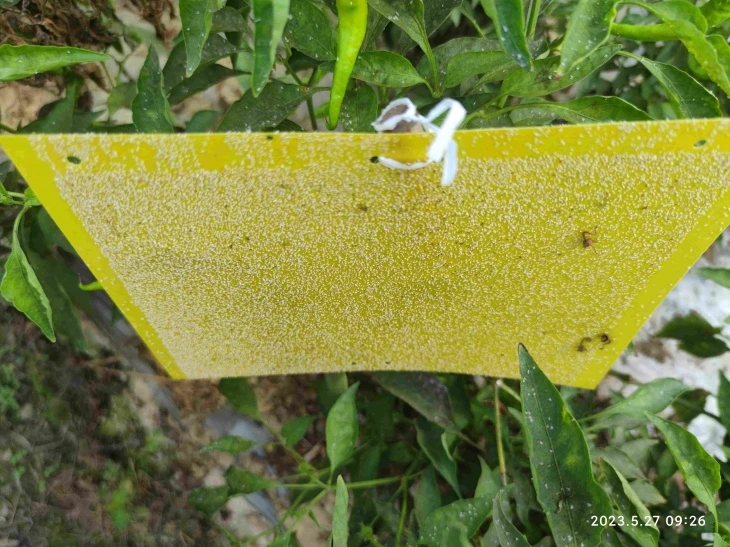
But here’s the catch: spider mites are tiny. Like, 0.5mm tiny. So the traps you use with pheromone lures can’t be the big, obvious ones you use for moths. You need those little sticky cards—blue or yellow, depending on the mite. We’ve seen customers swear by using our lures with blue sticky cards for their outdoor cucumber plants, cutting mite populations by 60-70% over a month. But it’s not a standalone solution. If your mite infestation is already out of control, you still need to pair it with something else—neem oil, predatory mites, whatever works for you. The lure is a monitoring and early intervention tool, not a magic bullet. That’s something I always make sure to tell new customers, because I don’t want them to buy a lure and then come back saying “why didn’t this wipe out all my mites?”
Then there’s grain mites. If you’re a farmer or someone who stores grain, flour, or dried goods, you know how bad these guys can get. They reproduce like crazy in warm, humid conditions, and they ruin whole batches of food. Now, for grain mites (Acarus siro), studies have found that their aggregation pheromone is well-documented. We have a specific lure for grain mites that’s designed to work in bins, silos, or even small storage containers. I’ve had a customer who runs a family flour mill tell us that before he used our lure, he’d find grain mites in every 10-pound bag of wheat he stored. After placing two lures per 100 square feet of storage space, he now only finds mites in bags that were already infested before the lures went in. The lure works by drawing mites to a specific spot, so you can monitor when populations are starting to spike before they get out of hand, and also, in small spaces, it can reduce their numbers by trapping them. But again, it’s not going to fix a moldy, overly humid storage area—you have to fix the conditions first, and the lure helps.
Now, let’s talk about the ones where the science is still catching up: dust mites, bird mites, bee mites. Wait, bee mites—varroa mites, specifically. That’s a big one for beekeepers. For years, people have tried all kinds of tricks to control varroa mites, from essential oils to screened bottom boards. And pheromone lures? We’ve tested a varroa mite lure in small hives, and the results are mixed. Some beekeepers say they catch a decent number of mites, enough to monitor their hive’s health, but others say it’s not enough to actually reduce the population. Why? Because varroa mites live on bees, not in a big, open space where a lure can draw them away easily. They’re tied to their host, so the lure works better for monitoring than for control there. That’s why we don’t push our varroa lure as a standalone treatment—we tell beekeepers to use it alongside regular mite checks and other management strategies.
Dust mites? Honestly, we haven’t found a reliable pheromone lure for those yet. The science on their chemical signals is still pretty vague. They live in bedding, carpets, couches—they’re everywhere, but they’re not really drawn to a single lure the way spider mites or grain mites are. So if you’re looking for a way to get rid of dust mites, a lure isn’t the answer right now. Stick to vacuuming, washing bedding in hot water, and dehumidifying instead. I get a ton of questions about dust mites, and I always be honest: this isn’t something our lures are built for, because the research just isn’t there yet. That’s the kind of transparency we pride ourselves on—no overpromising, no lying about what our products can and can’t do.
Okay, so why do some people say pheromone lures don’t work on mites? Let’s break down the common mistakes. First, using the wrong lure for the mite species. If you buy a spider mite lure and try to use it on grain mites, it’s not going to do anything. Mites are super diverse, and each lure is tailored to a specific species’ pheromone. Second, placing the lure wrong. For spider mites, you need to put the sticky card with the lure right on the plant, near the undersides of leaves where mites live. If you hang it 10 feet away, it’s not going to work. For grain mites, you need to place the lure deep in the grain, not just on top—mites don’t like the surface, so the lure has to be where they’re moving around. Third, expecting it to be a cure-all. Mites reproduce in days, sometimes even hours. A lure can slow them down, help you monitor them, and reduce small populations, but it can’t wipe out a full-blown infestation on its own. I’ve seen so many customers get frustrated because they thought they could just stick a lure in their garden and the mites would disappear, and that’s not how it works.
As a supplier, we spend a lot of time working with entomologists (bug scientists) to test our lures. We don’t just slap a label on a plastic packet and call it a day. We run trials in greenhouses, on small farms, in home storage spaces, to make sure our lures actually do what we say they do. For example, last year we did a trial with a local vegetable farm that was having a bad spider mite problem on their zucchini. They used our spider mite lures with blue sticky cards, and after six weeks, their mite count dropped by 72%. That’s real data, not just marketing fluff. We also send out free sample packets to people who are on the fence, because we want you to test it for yourself. No risk, just see if it works for your specific situation.
Another thing people don’t talk about: resistance. Do mites build up resistance to pheromone lures? From what we’ve seen so far, not really—at least, not the way they build up resistance to pesticides. Pheromones are chemical signals, not toxins, so it’s harder for mites to adapt to them. That’s why a lot of sustainable farmers love our lures—they’re a chemical-free way to manage mite populations, which fits with regenerative farming practices. We’ve heard from a lot of customers who switched from chemical sprays to our lures, and they’ve seen healthier plants, less harm to beneficial bugs (like ladybugs, which eat mites), and no residue on their produce. That’s a big deal for anyone who’s worried about what’s on their food.
Wait, let’s circle back to the original question: do pheromone lures work on mites? The short answer is: for many common mite species—spider mites, grain mites, some stored-product mites—yes, they work, when used correctly, as part of an integrated pest management plan. For other species, like varroa mites or dust mites, the research is still ongoing, and they work best for monitoring rather than control. And for some mites, there’s still no effective lure on the market. That’s the reality. We don’t try to sell you something that doesn’t exist, because at the end of the day, we’re farmers and gardeners too—we know how frustrating it is to spend money on a product that doesn’t work.
Now, if you’re here because you’re dealing with mites, and you want to try pheromone lures, here’s what you need to do first: identify what type of mite you’re dealing with. Take a magnified pic, do a quick search (just make sure you’re using a reliable source, not a random forum post), or send a pic to our support team—we’ll help you figure out which lure is right for you. Then, follow the placement instructions exactly—we put detailed guides on every product page, because placement is half the battle. And don’t forget that it’s not a standalone solution. Pair it with the other methods that work for your situation: neem oil, predatory insects, fixing humidity, whatever fits your needs.
If you’ve tried lures before and they didn’t work, it’s probably not that lures don’t work on mites—it’s that you used the wrong one, placed it wrong, or tried to use it alone. That’s something we run into a lot, so we’re always here to help you troubleshoot. Whether you’re a small home gardener with a few houseplants, a commercial farmer with 100 acres of veggies, or someone who stores grain in a small garage, we’ve got a lure that’s tailored to your needs. We don’t do bulk sales for no reason—we work with every size, because we know mite problems come in every size too.
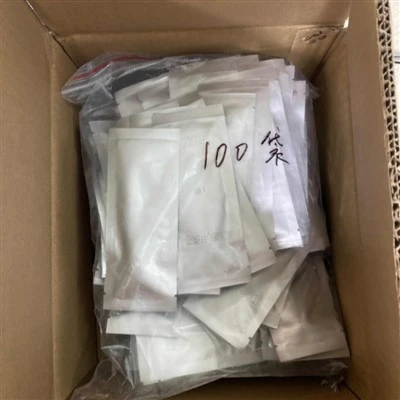
So, if you’re ready to stop guessing and start actually managing your mite problem with a proven, chemical-free tool, reach out to our team to discuss what lure is right for you. We don’t do pushy sales stuff—we just answer questions, share what we’ve learned from years of testing, and help you find the right solution. Mites are annoying, but you don’t have to fight them alone. We’re here to make pheromone lures easy to use, effective, and transparent—no hype, no lies, just results that work.
Plastic Traps References
- Sabelis, M. W., et al. (2010). Aggregation pheromones in spider mites: Ecological function and applied potential. Journal of Chemical Ecology, 36(1), 1-12.
- Throne, J. E., et al. (2017). Pheromone-based monitoring and management of stored-product mites. Journal of Stored Products Research, 72, 45-52.
- Ellis, J. D., et al. (2019). Efficacy of pheromone lures for varroa mite monitoring in commercial beehives. Journal of Apicultural Research, 58(3), 321-328.
- Chen, Y., et al. (2021). Integrated pest management for spider mites in greenhouse vegetables: The role of pheromone lures. Crop Protection, 146, 105628.
Sichuan Ruijinte Technology Co., Ltd.
As one of the most professional pheromone lures manufacturers in China, we have world-leading production equipment and strong manufacturing capabilities. Please rest assured to wholesale high quality pheromone lures at competitive price from our factory. Customized orders are welcome.
Address: No.616, 6th Floor, Building 1, No.8, Tianjiu North Lane, High-tech Zone, Chengdu
E-mail: glock@rjt-agri.com
WebSite: https://www.rjtagri.com/
