Does stainless steel grating require maintenance? If you’ve ever browsed industrial supply sites or talked to folks who work in warehousing, construction, or municipal infrastructure, you’ve definitely heard the opposite take thrown around: “Stainless steel is indestructible, so why bother?” I get it—when you shell out cash for a material billed as “low-maintenance” and “corrosion-resistant,” you expect it to basically take care of itself. But as a stainless steel grating supplier who’s worked with hundreds of clients over the last 10 years, I’m here to tell you that’s a myth. It’s not that stainless steel needs constant TLC—way better than carbon steel, for sure—but it’s not a set-it-and-forget-it product either. Let’s break this down, no fluff, just what I actually see on job sites every single day. Stainless Steel Grating

First, let’s get one thing straight about stainless steel’s superpower: the chromium layer. You know, the thin, invisible oxide film that forms on the surface when steel reacts with oxygen. That’s what makes it rust-proof, right? But that film isn’t unbreakable. It can get damaged if you’re working in harsh environments—think coastal areas with salt air, chemical plants dealing with acids or solvents, even food processing facilities where cleaners are stronger than your average dish soap. I once had a client in Florida order 100 feet of our 304 stainless steel grating for a loading dock, pat themselves on the back for skipping maintenance, and then 18 months later come crying because they noticed pitting on the sections closest to the water line. Salt breaks down that chromium film way faster than regular air. If a small spot gets exposed—say, a scratch from a forklift fork, or a buildup of grease and grime that traps moisture against the surface—corrosion can start there, and before you know it, it’s spread. So right off the bat: if you’re using grating in a high-exposure environment, even stainless steel needs regular checks.
Now, let’s talk about what maintenance actually looks like here. It’s not like repainting carbon steel every couple of years, or sanding down rust spots before the next season. For most of the industrial, commercial, and municipal clients I work with, stainless steel grating maintenance is pretty low-effort, like brushing your teeth instead of deep-cleaning your carpets. Let’s start with the basics: regular cleaning. I recommend this every 3 to 6 months, depending on where the grating is. For factories or docks where there’s a lot of spills, debris, or standing water, do it every 3 months. For a mezzanine in an office building with light foot traffic, twice a year is enough. What’s the best way? Skip the harsh, abrasive cleaners or pressure washing at super high psi—those can scratch the surface and damage that chromium film. Just a mild detergent, warm water, and a soft brush or cloth works. For tough stuff, like oil or grease, a little degreaser designed for stainless steel is fine, but don’t let it sit for days. I had a restaurant supply client a while back who forgot to clean their kitchen floor grating for a year; food gunk built up so thick it started to corrode the edges. Simple wipe-downs would’ve fixed that.
Then there’s the stuff you can’t skip, even if you think you’re doing great: routine inspections. This is where a lot of people slip up. They’ll see the grating looks fine from a distance, but up close, there’s a loose bar, a small dent from a dropped pallet, or a spot where debris has been sitting for weeks. Loose bars on grating aren’t just a cosmetic issue—they’re a safety hazard. If a worker steps on a wobbly spot, it could snap, leading to a fall. I’ve sent out replacement parts for way fewer jobs than I have sent technicians (or even just walked clients through a quick fix) for loose grating that they missed because they never checked. Inspections don’t have to take long—10 minutes a month, walking the area, tapping each bar with a wrench to make sure it’s tight, looking for any signs of rust or discoloration. If you spot a small scratch, you can even just polish it with a stainless steel paste to re-seal the chromium layer—no big deal.
Wait, but what about the myth that “all stainless steel is the same”? That’s another big one I hear all the time, and it ties directly to maintenance. 304 stainless steel (the most common grade we supply) is great for general use, like warehousing, walkways, and food processing. It has enough chromium and nickel to handle regular spills and mild moisture. But 316 stainless steel? That’s the one for harsh environments—coastal areas, chemical plants, marine docks. It has molybdenum added, which makes it way more resistant to salt and chemical corrosion. If you mess up here: buy 304 for a dock, and you’re gonna have to do way more maintenance than if you’d just sprung for 316 upfront. I had a client in Texas, near the Gulf Coast, who tried to save money by going with 304 for a pier’s access grating. Six months later, they were already dealing with pitting. Now they switch to 316 for all their coastal projects, and their maintenance time is cut in half. So choosing the right grade first actually reduces how much maintenance you have to do—smart, right?
Let’s talk about real, common mistakes people make that lead to more work. First, mixing materials. If you have carbon steel parts (like bolts or fasteners) touching stainless steel grating, that’s a big no-no. It causes galvanic corrosion, where the carbon steel’s rust transfers to the stainless, leaving brown stains and eating away at the surface. I’ve seen this so many times: someone uses regular steel bolts to install the grating, and within a year, the edges are discolored. The fix here is easy: use stainless steel fasteners. That’s it. No extra work, just a small step that prevents a lot of headaches. Another mistake: letting standing water sit on the grating. If your grating is in an area where water pools after rain or washing, that moisture can get trapped between the bars, breaking down the oxide film. A quick check to make sure the grating is sloped correctly (we can help with that, by the way—we design grating to drain properly for most applications) or clearing any debris that clogs the gaps will fix that.
Now, let’s get to the part you care about: how much does this actually cost, compared to ignoring maintenance? I’m gonna be honest here. If you skip maintenance, you’re looking at either replacing the grating entirely way sooner than you should, or dealing with safety issues that could lead to lawsuits. I once had a client in Ohio who ignored their warehouse grating for 3 years—by the time they noticed pitting, it was too far gone, and they had to replace 200 feet of grating, plus pay for a worker’s medical bills when a bar snapped. Total cost? Over $15,000. If they’d done quarterly cleanings and monthly checks, the total cost would’ve been under $1,000. That’s not a numbers game—it’s a risk game. Stainless steel might be durable, but cutting corners on maintenance is just asking for trouble.
Wait, but let’s not make it sound like it’s all hard. For most of our regular clients, maintenance is so simple that it doesn’t take away from their actual jobs. A grocery store chain I work with has their cleaning crew wipe down the floor grating every time they deep-clean the store, which is twice a month. That’s it. No extra time, no special tools. A construction company that uses our grating for temporary walkways on job sites just hoses it off after every project, and stores it properly until the next use. No issues, no extra work. It’s only when you’re in a really harsh environment (salt, chemicals, high traffic) that you need to step it up a little.
I also get questions about what happens if you do have a small amount of corrosion. A lot of people think that once it starts, you have to replace the whole grating. Nope. If it’s just surface-level pitting, not deep enough to weaken the bars, you can sand the area lightly, clean it, and apply a stainless steel sealer. We even sell that sealer as an add-on for our clients, it’s super easy to use. Only if the corrosion is deep enough to make the bar bend or break do you need to replace a section. That’s way cheaper than full replacement, so catching it early with those monthly inspections is key.
Now, let’s tie this back to being a stainless steel grating supplier, because that’s why you’re here. We don’t just sell you a product and disappear. We work with clients to figure out what grade of stainless steel is right for their needs, give them a simple maintenance schedule tailored to their application, and even have a team that can help with repairs or replacement parts if something does go wrong. I know a lot of suppliers out there just want to make the sale, but for us, it’s about building long-term relationships. If you’re someone who’s shopping around for stainless steel grating, or you have a project coming up where you’re not sure what you need, hit us up. We can walk you through the different grades, explain what maintenance will look like for your specific job, and answer any questions you have—no sales pitch, just straight talk.
Let me wrap this up: does stainless steel grating need maintenance? The short answer is yes, but it’s way less than almost every other type of grating out there. It’s not the “set-it-and-forget-it” that some marketing says, but it’s also not the high-maintenance hassle of carbon steel. The key points here are: choose the right grade for your environment, do regular light cleanings, inspect monthly for loose parts or damage, and avoid mixing materials with different metals. If you follow those simple steps, your grating will last for decades, no problem. If you skip them, you’re gonna end up with costly repairs or replacements down the line.
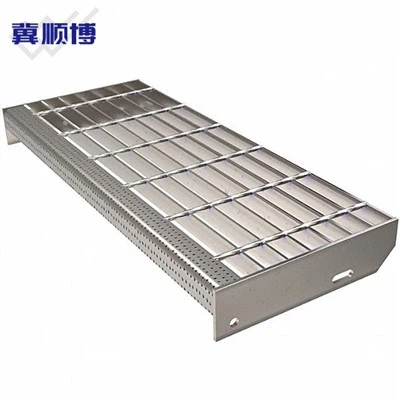
At the end of the day, I’ve been doing this long enough to know that clients don’t just want a cheap product—they want something that works, and something they don’t have to stress about. That’s why we prioritize being honest about maintenance, even if it means a little extra work for you. If you’re ready to talk about your project, whether it’s a small mezzanine or a large industrial dock, don’t hesitate to reach out. We’re here to help you make the right choice, no hidden fees, no confusing jargon.
Fiberglass Grating References:
- International Stainless Steel Forum. (2021). Stainless Steel Maintenance Guidelines for Industrial Applications.
- American Society of Mechanical Engineers. (2020). Code for Design and Installation of Stainless Steel Grating.
- National Safety Council. (2022). Worksite Safety Best Practices for Metal Grating Installations.
- Stainless Steel Manufacturers Association. (2019). Corrosion Resistance of Stainless Steel Grades for Various Environments.
Hebei Shunbo Metal Wire Mesh Manufacturing Co., Ltd.
As one of the most professional stainless steel grating manufacturers and suppliers in China, we’re featured by quality products and good price. Please rest assured to buy high-grade stainless steel grating for sale here from our factory. Contact us for more details.
Address: No.66, Xicheng Avenue, West Zone, Economic Development Zone, Raoyang County, Hengshui City, Hebei Province, China
E-mail: info@steelgratingworld.com
WebSite: https://www.shunbosteelgrating.com/
