Water hardness is a common concern in both industrial and domestic water systems. It is mainly caused by the presence of dissolved calcium and magnesium salts in water. As a water treatment chemicals supplier, I have witnessed firsthand the profound impact that water treatment chemicals can have on water hardness. In this blog, I will explore the nature of water hardness, how water treatment chemicals interact with it, and the broader implications of these interactions. Water Treatment Chemicals
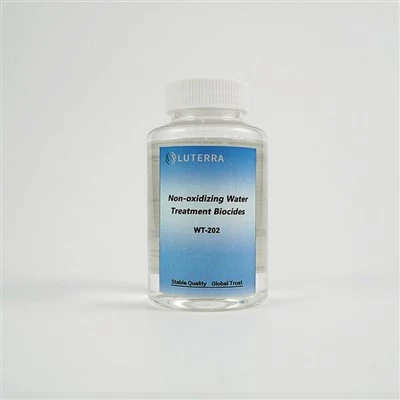
Understanding Water Hardness
Before delving into the impact of water treatment chemicals, it is essential to understand what water hardness is. Water hardness is typically measured in terms of the concentration of calcium and magnesium ions. When water passes through limestone or chalk deposits, it dissolves small amounts of calcium and magnesium salts, such as calcium carbonate and magnesium sulfate. These minerals not only affect the taste of water but also have several practical implications.
Hard water can cause a variety of problems. In household settings, it leads to the formation of limescale in pipes, water heaters, and appliances. This limescale buildup reduces the efficiency of water systems, increases energy consumption, and can shorten the lifespan of equipment. In industrial processes, hard water can cause fouling in boilers, heat exchangers, and cooling towers, leading to decreased productivity and increased maintenance costs.
Role of Water Treatment Chemicals
Water treatment chemicals are substances used to improve the quality of water by removing or altering certain impurities. When it comes to water hardness, there are several types of water treatment chemicals that can be employed, each with its own mode of action and impact.
Chelating Agents
Chelating agents are a type of water treatment chemical that forms stable complexes with metal ions, including calcium and magnesium. These agents have specific molecular structures that can wrap around the metal ions, effectively sequestering them and preventing them from participating in chemical reactions that cause hardness.
For example, ethylenediaminetetraacetic acid (EDTA) is a commonly used chelating agent. It has a high affinity for calcium and magnesium ions and can bind to them in a 1:1 ratio. By adding EDTA to hard water, the free calcium and magnesium ions become part of the chelate complex, reducing the overall hardness of the water. Chelating agents are often used in industrial processes where precise control of water hardness is required, such as in the pharmaceutical and food industries.
Scale Inhibitors
Scale inhibitors are another important type of water treatment chemical used to control water hardness. Unlike chelating agents, scale inhibitors do not remove the calcium and magnesium ions from the water but rather prevent them from forming solid deposits (scale). They work by interfering with the crystallization process of the minerals.
For instance, phosphonate-based scale inhibitors adsorb onto the surface of the nascent calcium carbonate or magnesium hydroxide crystals, preventing them from growing and aggregating. This keeps the minerals in a dispersed state, reducing the likelihood of scale formation. Scale inhibitors are widely used in cooling water systems, where the evaporation of water can lead to an increase in the concentration of dissolved minerals and subsequent scale formation.
Water Softeners
Water softeners are perhaps the most well – known water treatment chemicals for dealing with water hardness. They typically use an ion – exchange process to replace calcium and magnesium ions with sodium or potassium ions. A common water softener resin is made of a polymer matrix with negatively charged functional groups that attract and hold positively charged ions.
When hard water passes through the resin bed, the calcium and magnesium ions are exchanged for sodium or potassium ions. This process effectively reduces the water hardness, as the sodium and potassium salts do not cause limescale formation. Water softeners are commonly used in households to improve the quality of tap water for washing, bathing, and other domestic uses.
Impact on Water Quality
The use of water treatment chemicals to address water hardness has a significant impact on water quality. By reducing the concentration of calcium and magnesium ions, these chemicals can improve the taste and odor of water. Water that has been treated for hardness is often smoother and more pleasant to drink.
In addition, treated water can have a positive impact on the efficiency of water – using appliances. For example, in a water heater, the absence of limescale means that heat can be transferred more effectively, reducing energy consumption and prolonging the lifespan of the heater. Similarly, in a washing machine, soft water allows detergents to work more efficiently, resulting in cleaner clothes and less wear and tear on the machine.
Environmental and Health Considerations
While water treatment chemicals can effectively reduce water hardness, there are also environmental and health considerations to take into account. Some chelating agents, such as EDTA, can be persistent in the environment and may require additional treatment before the water is discharged. There is also a concern about the potential for metal accumulation in the environment if chelating agents are not properly managed.
In terms of health, the use of water softeners that add sodium ions to the water can be a concern for individuals on low – sodium diets. However, potassium – based water softeners are available as an alternative for those who need to limit their sodium intake.
Case Studies
To illustrate the impact of water treatment chemicals on water hardness, let’s look at a couple of case studies.
Industrial Cooling Tower
A large manufacturing plant was experiencing significant scale buildup in its cooling tower due to the high hardness of the incoming water. The scale was reducing the efficiency of the cooling system, leading to increased energy consumption and frequent maintenance requirements.
The plant decided to implement a scale inhibitor program. By adding a phosphonate – based scale inhibitor to the cooling water, the scale formation was significantly reduced. Within a few months, the energy consumption of the cooling system decreased by 15%, and the maintenance frequency was halved.
Household Water Softener
A family living in an area with very hard water was facing problems with limescale in their pipes and appliances. They installed a water softener in their home. After a few weeks of using the softened water, they noticed a significant improvement in the performance of their appliances. Their dishwasher no longer left white residue on the dishes, and their showerheads were free of limescale buildup. In addition, they reported that their skin felt softer after bathing.
Conclusion
In conclusion, water treatment chemicals play a crucial role in addressing the challenges posed by water hardness. Chelating agents, scale inhibitors, and water softeners all have different mechanisms of action and can be used in various applications, from industrial processes to household water treatment. The impact of these chemicals on water quality is significant, improving the taste, efficiency of water – using appliances, and overall user experience.

However, it is important to consider the environmental and health implications of using water treatment chemicals. Proper management and selection of the appropriate chemicals are essential to ensure that the benefits outweigh the potential drawbacks.
Biocides If you are facing water hardness issues in your industrial or domestic water systems, I encourage you to get in touch with me to discuss the best water treatment chemical solutions for your specific needs. I have a wide range of high – quality water treatment chemicals that can effectively reduce water hardness and improve the overall quality of your water. Let’s start a conversation to find the most suitable solution for you.
References
- AWWA (American Water Works Association). Water Quality and Treatment: A Handbook of Community Water Supplies. McGraw – Hill Education.
- "Water Treatment Chemicals: A Global Market Overview," Grand View Research.
- "The Chemistry of Water Treatment for Industrial Cooling Systems," Journal of Industrial and Engineering Chemistry.
Luterra Advanced Materials Co., Ltd.
We are one of the most experienced water treatment chemicals manufacturers and suppliers in China, also support customized service. With a professional production team, we are able to meet the needs of the majority of our customers. Please feel free to buy high quality water treatment chemicals made in China here from our factory.
Address: East End of Jingting Road, Caterpillar Industrial Zone, Qingzhou City, Weifang City, Shandong Province, China
E-mail: info@luterra-chem.com
WebSite: https://www.luterra-chem.com/
