If you’ve ever spent time around a woodworking shop, farm operation, or even a small furniture manufacturing space, chances are you’ve heard the term “drying kiln” tossed around. But when I tell people I sell solar drying kilns, I usually get a confused look—like they’re picturing a primitive, sun-warmed wooden box left out in the yard. The reality is far more sophisticated, and over the 12 years I’ve been working as a drying kiln supplier, I’ve watched this technology turn from a niche alternative to a game-changer for small to medium operations that want to cut costs and reduce their carbon footprint. Let me break down exactly what a solar drying kiln is, how it works, and why it might be the solution you’ve been searching for. Drying Kiln
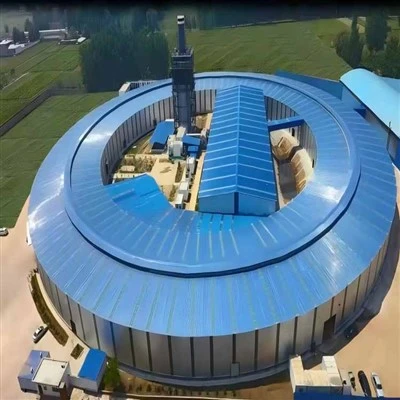
At its core, a solar drying kiln is a controlled enclosure designed to remove moisture from wood, agricultural products, or other materials using solar energy as its primary heat source. Unlike traditional drying methods that rely entirely on fossil fuels or electricity, this system captures sunlight to warm the interior, then circulates that heated air (often with supplementary low-energy heat on cloudy days) to pull moisture out of the material at a slow, consistent rate. The key word here is “controlled”—sun drying in the open air is subject to sudden rain, extreme humidity, and fluctuating temperatures, which can lead to warped, cracked, or unevenly dried products. A solar kiln eliminates those variables.
Let’s get a little technical here, but I promise to keep it relatable. When a tree is harvested, it can retain between 30% and 60% moisture content (MC) depending on the species, how it was stored, and the time of year. For wood to be usable in furniture, construction, or custom millwork, it needs to drop to 6-8% MC for indoor projects, or 12-15% for outdoor applications. If you rush that process with high heat, the outside of the wood dries too fast, trapping moisture inside and leading to cracks called “case hardening” or even mold growth. Solar kilns regulate temperature and humidity gradually, matching the natural drying process that happens in trees, but speeding it up to a matter of weeks instead of years.
The design of a standard solar drying kiln isn’t just a box with a window, either. Most models I supply have three main components: a solar collector, an insulated drying chamber, and a ventilation system. The solar collector is usually a south-facing panel (in the Northern Hemisphere) made of transparent material—glass or polycarbonate—that traps sunlight, turning it into heat. That heat is transferred to air, which is then circulated into the drying chamber via fans. The chamber itself is insulated with foam or fiberglass to retain that heat, so even on cool days, the interior stays 10-15 degrees Fahrenheit warmer than the outside. For times when there’s not enough sunlight—like winter in northern regions or heavy rain seasons—many of our kilns come with a small auxiliary heat system, usually electric or propane, that only kicks in when necessary, keeping energy costs far lower than conventional kilns.
Wait a second, though—if it’s just solar, why does it work when it’s humid? Humidity is the biggest challenge for any drying system, because moist air can’t hold as much additional moisture from the material inside. That’s where the ventilation system comes in. A solar kiln doesn’t just recirculate the same air; it vents out moist, saturated air through exhaust fans and pulls in dry, outside air (which, even on humid days, has less moisture than the air inside the kiln) to continue the drying process. Some of our more advanced models even have a dehumidification component that pulls moisture out of the air before it’s recirculated, making them just as effective in coastal or high-humidity areas as they are in arid climates.
I’ve had countless customers tell me they switched to a solar kiln to cut their energy bills. A typical conventional wood drying kiln can cost $500 or more per month in electricity or natural gas, just to run 24/7. With a solar kiln, that cost drops by 70-80%—sometimes even more, depending on how much sunlight their location gets. I had a customer in rural Ohio who runs a small furniture shop; he went from paying $650 a month for fossil fuel drying to $120 a month for a solar kiln with a small electric backup. That extra $530 a month? He put it back into his business, hiring a part-time finisher and expanding his product line. Stories like that are why I love doing what I do.
But solar drying kilns aren’t just for wood, either. I’ve supplied models to organic farms drying herbs, nuts, and even fruit, to biomass operations drying grass and straw for animal feed, and to small scale textile mills drying raw cotton. The same principles apply: controlled, gradual drying using renewable energy, reducing waste and energy costs. For a small farm that used to lay out herbs on tarps and hope for dry weather, a solar kiln lets them dry year-round, regardless of rain or fog, and get a more consistent product that commands a higher price from buyers.
One common misconception I hear is that solar drying kilns take too long. People think, “If I have to wait a month to dry wood, that’s not useful for my business.” But when you compare the total time to conventional drying, it’s often comparable. Traditional air drying can take 6-12 months for thick lumber, while a solar kiln can do the same in 4-8 weeks. Conventional kilns might get it done in 2-3 weeks, but the energy costs are so high that the total profit margin is lower. Plus, the quality is better—less warping, less cracking, fewer rejects. For a mill that turns out 10,000 board feet of lumber a month, reducing reject rates from 10% to 2% is a huge difference in revenue.
Another big plus is sustainability. Today, more and more businesses are looking for ways to reduce their carbon footprint, and a solar kiln is one of the easiest, most impactful changes they can make. A single solar kiln can cut annual carbon emissions by thousands of pounds, compared to a fossil fuel-powered kiln. I’ve had a number of our clients use that sustainability as a selling point for their products—furniture made with solar-dried wood, herbs dried using renewable energy—to attract eco-conscious customers. It’s not just a cost saver; it’s a brand builder.
Of course, like any piece of equipment, there are factors to consider before investing in a solar drying kiln. The first is location: if you’re in a place that gets less than 200 days of sunlight a year, a solar kiln might not be the most efficient choice, though even cloudy areas can get enough sunlight to make it worthwhile with a good insulated chamber. The size of your operation is another factor; we offer kilns that hold as little as 500 board feet of lumber, perfect for small shops, up to 10,000 board feet, for larger mills. We also offer custom modifications, like adjustable ventilation rates or integrated moisture sensors that automatically regulate temperature and humidity, so you can tailor the kiln to your exact needs.
I’ve been in this industry long enough to know that buying a drying kiln is a big decision—anywhere from $5,000 for a small, entry-level model to $50,000 for a large industrial system. That’s why I don’t just sell equipment; I work with every customer to understand their specific drying needs, their space, and their budget, to make sure they get a kiln that works for them. I’ve had customers come to me thinking they need a 10,000 board foot kiln, only to realize a 2,000 board foot model is more than enough for their monthly output, saving them tens of thousands of dollars upfront.
Over the years, I’ve seen solar drying kiln technology evolve a lot. Ten years ago, most models were bulky, basic designs with manual controls, that worked well but required a lot of upkeep. Today, our kilns have digital moisture sensors that track the wood’s MC in real time, smartphone-compatible controls so you can adjust settings remotely, and self-cleaning solar collectors that cut down on maintenance. We’ve even added rain sensors that automatically close vents if it starts to pour, so you don’t have to worry about checking on the kiln every hour.
One of my favorite parts of the job is visiting customer sites and seeing the difference a solar kiln makes. Last year, I visited a small sawmill in western North Carolina that had been using a traditional kiln for 20 years. They were paying $1,200 a month in natural gas, and their reject rate was around 12%. After installing our 3,000 board foot solar kiln, their monthly energy cost dropped to $180, and their reject rate fell to 3%. They told me that in the first year, they saved over $12,000 in energy costs alone—money they used to buy new saw blades and hire a part-time worker. That’s the impact this technology can have on small, local businesses.
I know that when you’re in the market for a drying kiln, you have a lot of options. You can go with a conventional electric or propane kiln, which is more expensive to run over time, or a cheap imported kiln that might not last. A solar drying kiln is an investment, but it’s one that pays for itself in just 2-4 years, depending on your energy costs. It’s good for your business, good for your budget, and good for the planet.
If you’re tired of high energy bills, unevenly dried products, or the environmental impact of traditional drying methods, I’d love to talk more about how a solar drying kiln can work for you. Whether you’re a small furniture shop, a farm drying agricultural products, or a medium-sized mill, we have a kiln size and design to fit your needs. Don’t hesitate to reach out to our team to discuss your project, get a customized quote, or ask any questions you have about solar drying technology. We’re here to help you make the best choice for your business.
Electric Industrial Kiln References
- Forest Products Laboratory. (2010). Wood Handbook: Wood as an Engineering Material. U.S. Department of Agriculture, Forest Service.
- Brown, H. P., & Panshin, A. J. (1981). Textbook of Wood Technology (4th ed.). McGraw-Hill.
- European Commission Joint Research Centre. (2018). Solar Drying of Agricultural Products: A Practical Guide. Publications Office of the European Union.
- U.S. Energy Information Administration. (2022). Commercial Energy Consumption for Industrial Drying. U.S. Department of Energy.
- Walker, J. C. F. (2006). Primary Wood Processing: Principles and Practice. Springer.
Henan Yaxin Kiln Co., Ltd.
Henan Yaxin Kiln Co., Ltd. is one of the most professional drying kiln manufacturers and suppliers in China. With abundant experience, we warmly welcome you to buy high quality drying kiln with the latest design from our factory. Good service and punctual delivery are available.
Address: Jixian Industrial Zone, Shangqiu City, Henan Province
E-mail: 1543563178@qq.com
WebSite: https://www.hnyxkiln.com/
