If you’ve ever walked through a modern commercial building—say, a strip mall with a long, unbroken roof or a warehouse with exterior walls that never need repainting—chances are you’ve passed by a structure that relies on fiber-reinforced polymer, or FRP. For the last 12 years, I’ve run a small-scale FRP construction material supplier, and in that time, I’ve fielded the same question dozens of times from general contractors, architects, and property managers: Is FRP actually suitable for commercial construction projects? It’s a fair question. Most commercial build teams stick to steel, concrete, or aluminum, materials they’ve used for decades and trust to perform on tight budgets and strict timelines. But after watching hundreds of my products go into projects ranging from suburban retail centers to 10,000-square-foot logistics hubs, I can say FRP isn’t just a flashy alternative—it’s a tailored solution for many of the most common pain points in commercial construction. FRP Construction Material

Let’s start with the basics: FRP is a composite material made of a polymer resin (usually polyester or vinyl ester) reinforced with fibers like glass, carbon, or aramid. For commercial builds, glass fiber-reinforced polymer (GFRP) is the most common, balancing strength, cost, and ease of installation. What sets it apart from traditional materials? For one, it’s non-corrosive. That’s a game-changer for any commercial project in harsh environments. I remember a warehouse we supplied in Tampa, Florida, back in 2017. The original build used steel siding, and within three years, the salt air off the Gulf Coast had rusted through panels, leading to leaks that damaged stored inventory. When they switched to our GFRP wall panels, they’ve had zero corrosion issues in the last six years. Steel corrodes, concrete cracks and absorbs moisture, aluminum dents easily in heavy-use areas. FRP stands up to all of that. Even in industrial settings with high humidity, chemical exposure, or temperature fluctuations, it retains its structural integrity far longer than traditional materials. That translates directly to lower long-term maintenance costs, a metric that commercial property owners care about deeply.
Cost is another big factor, but it’s not just the upfront price tag. A lot of contractors look at FRP panels and think, “That’s more expensive than a steel sheet.” But when you add in the labor and downtime savings, FRP often comes out ahead. Commercial projects operate on tight schedules; any delay can cost thousands of dollars in missed rent or contractor fees. Steel requires cutting on-site, welding, and multiple coats of paint to prevent rust. FRP panels are factory-cut to exact specifications, arrive ready to install, and only need a single sealant coat, if any. I had a general contractor client in Chicago last year who was building a 12,000-square-foot retail space. They originally planned to use steel roofing, which would have taken three full weeks to install, including two extra days waiting for rust-prep paint to dry. Switching to our FRP roofing panels cut installation time to 10 days, and they avoided a $15,000 penalty for finishing late. That kind of savings offsets the slightly higher material cost in a matter of months, if not sooner. For small to mid-sized commercial projects, where profit margins are often slim, that’s a difference that can make or break a project’s bottom line.
But FRP isn’t perfect, and it’s not a one-size-fits-all solution. That’s a point I make clear to every potential client, because too many people treat it as a replacement for every material, instead of a complement. One common misconception is that FRP can match steel’s tensile strength for large structural beams. For low-to-moderate load applications—like wall panels, roof decking for small retail spaces, or cladding for interior walls—it works great, but for skyscrapers or heavy industrial structures that require extreme load-bearing capacity, FRP alone isn’t the answer. It’s also prone to damage from extreme heat or direct impact. I had a client in Texas who installed FRP skylights on a shopping center; during a summer heatwave, temperatures inside the building peaked at 120 degrees, and two panels warped slightly. We worked with them to upgrade to a heat-resistant vinyl ester resin for their next project, and that issue never came up again. Another client had a loading bay where delivery trucks occasionally hit exterior panels; FRP dent more easily than steel, so we recommended adding a thin aluminum guard rail around those high-traffic areas. The key here is matching the right FRP product to the right application.
One area where FRP excels that many people don’t consider is interior commercial spaces. Hospitals, schools, and grocery stores have strict sanitary requirements, and traditional materials like concrete or drywall can harbor bacteria, mold, and mildew, especially in high-moisture areas like restrooms or food preparation zones. FRP is non-porous, which means it can be easily wiped down with disinfectants, and most formulations are mold and mildew-resistant. A local grocery chain we supply has used our FRP wall panels in all their deli and meat prep areas for the last four years, and they report no mold growth, even in areas that get daily splashes of water and cleaning chemicals. That not only helps them meet health code standards, it also reduces the need for frequent wall repairs and replacements. For schools, where vandalism is a concern, FRP panels are scratch-resistant and easy to clean; one elementary school client told me they can wipe a graffiti mark off an FRP panel in 10 seconds, vs. hours trying to remove paint from drywall.
Sustainability is another big driver for commercial projects these days, and FRP holds its own here, too. While producing FRP does involve energy use, its long lifespan (often 20 to 30 years, vs. 10 to 15 for steel siding) means it requires fewer replacements over a building’s lifetime. Also, many FRP products can be recycled at the end of their life, though the process has gotten more efficient in the last five years. I’ve worked with clients who prioritize LEED certification, and FRP often contributes to points for material durability and low volatile organic compound (VOC) emissions, since we use resin formulas with low VOC content that don’t off-gas into indoor spaces. For commercial property owners looking to reduce their carbon footprint and appeal to eco-conscious tenants, that’s a tangible benefit.
Of course, I’d be remiss to not address the biggest hesitation I hear: contractors just don’t know how to work with FRP, or they worry about its structural performance in windy areas. Wind resistance is a valid concern, especially for buildings in hurricane zones. But modern FRP panels are engineered to meet strict wind load standards, and when installed with the correct fasteners (a detail I always walk clients through), they can outperform steel in some cases. I have multiple clients in Miami and Houston who have used FRP roofing and wall panels for 10+ years through hurricanes with 120 mph winds; not a single panel has come loose. The key is proper installation—we provide detailed guides and on-site support for every project, so contractors don’t have to guess. And while there is a learning curve, installing FRP is much simpler than welding steel, so crews can get up to speed quickly with just a day of training.
So, is FRP suitable for commercial construction projects? The answer is, it depends on the project. If you’re building a small to mid-sized retail space, a warehouse in a coastal area, a school with high sanitary needs, or a grocery store with heavy maintenance requirements, FRP is almost always a strong choice. If you’re building a high-rise office tower with extreme load demands, it’s best used as a complement to steel or concrete, not a replacement. The mistake many make is writing FRP off entirely, or relying on it for every application, instead of evaluating each project’s unique needs.
Over the years, I’ve seen too many clients reject FRP out of hand because they only know the outdated reputation of composite materials, or they’ve had a bad experience with a low-quality product. That’s why I take the time to assess each project: I ask about location, intended use, budget, and long-term maintenance goals, then recommend the right FRP product, or even suggest a mix of materials. For example, a logistics warehouse might use steel for the support beams and FRP for the exterior walls, getting the strength they need where it matters and the corrosion resistance where it counts.
If you’re a general contractor, architect, or property manager weighing materials for your next commercial build, don’t overlook FRP. It’s not a perfect fit for every project, but for many of the most common challenges in commercial construction—corrosion, high maintenance costs, tight schedules, sanitary needs—it’s a solution that saves money, time, and hassle over the long run. I’ve seen it work in climates from the tundra of northern Canada to the deserts of Arizona, in projects ranging from 1,000-square-foot retail kiosks to 50,000-square-foot distribution centers. It’s not a flash in the pan; it’s a material that’s evolved to meet the specific demands of modern commercial construction.
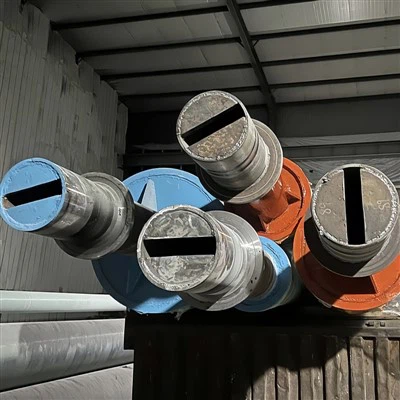
If you’re interested in discussing how FRP could fit your next project, or you have questions about performance, pricing, or installation, feel free to reach out to connect for a procurement conversation. We can review your project details, share case studies from similar builds, and walk through the options that make the most sense for your timeline and budget.
FRP Profiles References
- American Society of Civil Engineers. (2020). Composite Materials for Construction: Performance and Applications.
- National Association of Home Builders. (2021). Maintenance Cost Comparison of Building Materials for Commercial Structures.
- FRP Composites Industry Association. (2022). Guidelines for FRP Installation in Commercial Construction Projects.
- U.S. Green Building Council. (2023). LEED v4.1 Material and Resource Credits for Durable Building Products.
Hebei Weihan Environmental Protection Equipment Co., Ltd.
We’re well-known as one of the leading FRP construction material manufacturers and suppliers in China, featured by quality products and good service. Please rest assured to buy customized FRP construction material at competitive price from our factory. Contact us for more details.
Address: No.666 Chuangye Road, Zaoqiang County, Hengshui City, Hebei Province
E-mail: weihanmachine@gmail.com
WebSite: https://www.whanfrp.com/
