Hey there, if you’re in the construction, landscaping, or demo game, you’ve probably used (or at least heard of) a tiltrotator—those game-changing tools that let your excavator attachment spin 360 degrees, tilt left and right, and even swap tools on the fly without leaving the cab. As someone who’s been supplying tiltrotators for over a decade, I get tons of questions from customers, and one that comes up at least once a week is: “Do I need to change the hydraulic fluid in these things regularly?” Tiltrotator
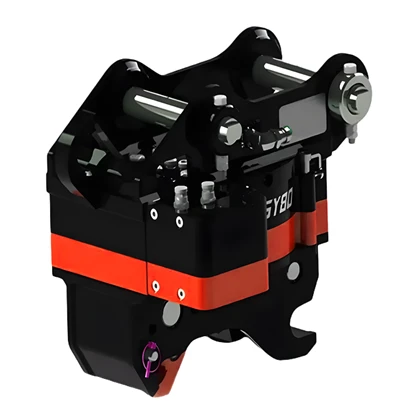
First, let’s cut through the hype. A lot of people treat tiltrotators like just another excavator attachment, slapping it on and forgetting about it until something breaks. But here’s the thing: tiltrotators work way harder than a standard bucket or ripper. They’re spinning under load, tilting through extreme angles, and dealing with constant vibration from rough jobsite surfaces. All that stress puts way more strain on their hydraulic systems than your average attachment.
So, to answer the big question: yes, you absolutely need regular hydraulic fluid changes for your tiltrotator. But let’s dive into why, how often, and what can happen if you skip it—because a lot of guys are cutting corners here and ending up with costly repairs that could’ve been avoided.
Why Tiltrotator Hydraulics Are Different (And Why Fluid Matters So Much)
Your standard excavator’s hydraulics handle lifting, digging, and pushing, but a tiltrotator has two extra sets of hydraulic components you don’t find on most attachments: the rotating mechanism (that 360 spin part) and the tilting cylinders. These parts are sealed tight, but they’re not perfect. Over time, tiny amounts of metal shavings from normal wear, dust, moisture from rain or hose leaks, and even additive breakdown from heat will sneak into the fluid.
Wait, metal shavings sound scary—right? Well, here’s the catch: tiltrotators run on high-pressure hydraulics, usually between 3,000 and 5,000 PSI. If those shavings build up, they can act like sandpaper, grinding down seals, bearings, and the tiny valves inside the tiltrotator’s control block. And those seals? They’re the ones keeping high-pressure fluid where it needs to be. If a seal fails, you’re looking not just at fluid leaks, but at the tiltrotator losing power—maybe even seizing up mid-job.
Moisture is another big one. I’ve seen customers who work in rainy climates or mud-soaked jobsites skip fluid changes, and within a year, their fluid turns milky. Water in hydraulics causes corrosion, which eats away at internal parts from the inside out. It also lowers the fluid’s boiling point, so when you’re running the tiltrotator nonstop on a hot day, the fluid overheats, breaks down faster, and loses its ability to lubricate.
How Often Should You Change It? No Generic Answer—Here’s The Real Timeline
A lot of manufacturer manuals will give a “every 500 hours” rule, but that’s a one-size-fits-all. From what I’ve seen working with hundreds of tiltrotator users, the actual interval depends on three things: how hard you’re running the machine, the jobsite conditions, and how you maintain the rest of your excavator.
Let’s break it down:
- Light use (fewer than 400 hours a year, mostly landscaping or light demo): You can get away with changing the hydraulic fluid every 600–700 hours. But don’t wait until the manual’s mark—use a fluid analysis test (super cheap, most equipment shops sell test kits) to check for metal content or moisture. If the numbers are high, change it early.
- Heavy use (500+ hours a year, construction, road work, heavy demo): This is where you can’t cut corners. Tiltrotators in heavy use spin and tilt nonstop, so heat builds up way faster. I recommend changing the fluid every 400–500 hours, or even sooner if you notice leaks, unusual noises (grinding, whining when spinning), or slower tilt/rotation speeds.
- Rough jobsites (mud, dust, extreme cold): If you’re working in Arctic cold (which thickens fluid and makes it harder to lubricate) or constant mud/dust (which gets into the system through hose connections), bump that interval up by 100 hours. Once a tiltrotator’s got dirt in its seals, it’s way more likely to contaminate the hydraulic fluid.
And a quick note: don’t forget to change the hydraulic filter at the same time as the fluid. I can’t tell you how many customers skip changing the filter and wonder why their new fluid gets contaminated right away. The filter catches 90% of the debris, so if you leave a old, clogged filter on, it’s like pouring clean water into a dirty cup—gross, and useless.
What Happens If You Skip The Fluid Change? The Hidden Costs (Not Just A Replacement Fluid Bill)
Let’s talk about the mistakes I’ve seen firsthand. Last year, a contractor in Ohio came to me with a tiltrotator that wouldn’t spin more than 180 degrees. He’d put 700 hours on it and never changed the fluid, just topped it off when it was low. When we took it apart, we found metal shavings clogging the rotation motor’s valves and a seal completely worn through from the grit. The repair cost him $3,200—and he lost three days of jobs, which is way more than the cost of two fluid changes.
Another example: a landscaping guy in Texas. He worked in 100-degree heat every day, changed his fluid once a year (wrong), and noticed his tilt was slow. Turns out, the fluid had broken down so much it was like thick syrup, and the tilting cylinders were dragging. He had to replace two cylinders and a control block—total bill of $4,800.
It’s not just parts replacement, either. When a tiltrotator is working poorly, you’re wasting fuel. If your machine’s having to work harder to spin or tilt because of gunked-up fluid, you’re burning 10–15% more fuel every hour. Multiply that by 500 hours a year, and you’re talking hundreds of dollars in extra fuel costs—money that could’ve gone to a few fluid changes.
Wait, but what about synthetic fluids? A lot of users ask if synthetic hyd fluid lets them go longer between changes. Synthetic is better for heat and has a longer lifespan, but it’s not a free pass. I still recommend following the same intervals, just maybe 100 hours longer if you’re using synthetic. Don’t rely on synthetic alone—contamination is contamination, no matter what type of fluid you’re running.
Pro Tips From A Tiltrotator Supplier (Stuff The Manual Doesn’t Tell You)
Let me share some tricks I’ve picked up over the years to keep your tiltrotator’s hydraulics in tip-top shape, no matter what:
- Check fluid levels every week before a big job. Low fluid means the pump is sucking air, which causes cavitation—tiny bubbles that pop and erode internal parts. You’ll hear a whining noise if this happens, so don’t ignore it.
- If you notice a leak, fix it immediately. Even a small leak can let dust and moisture into the system, which ruins the fluid fast. I’ve seen a $5 hose clamp leak cause a $2,000 fluid contamination mess.
- Use the right fluid grade. Most tiltrotators call for anti-wear hydraulic fluid, not the cheap stuff. The wrong grade can cause too much friction or not enough lubrication. Double-check your manual, or if you’re not sure, reach out to me—I can tell you what works for our tiltrotators.
- Flush the system once every three years, even if you’re changing fluid on schedule. Flushing removes all the old fluid and hidden debris that filters can’t catch. It’s a $200 job, but it saves you from major repairs down the line.
Wrapping It Up: Don’t Cut Corners On Your Tiltrotator’s Hydraulics

At the end of the day, a tiltrotator is a big investment—they’re not cheap, and they make your excavator way more versatile. Skipping regular hydraulic fluid changes isn’t just “neglect”; it’s a false economy. The few hundred dollars you spend on fluid and filters every 400–700 hours is nothing compared to the thousands you’ll pay for a seized motor, worn valves, or replacement cylinders.
Quick Coupler If you’re still on the fence, or you’ve got a tiltrotator that’s been acting up, don’t hesitate to reach out for a chat. Whether you’re looking for a new unit, need help sourcing the right parts, or just have questions about maintenance, I’m here to help you keep your tiltrotator running strong. No sales pitch—just straight talk from someone who’s been in the tiltrotator game for years.
References
- International Organization for Standardization. Hydraulic fluid power – general rules for maintenance and monitoring of fluid power systems (ISO 4406:2017).
- Association of Equipment Manufacturers. Guidelines for hydraulic system maintenance on heavy construction equipment.
- Tiltrotator Engineering Technical Manual. Hydraulic system specifications and maintenance intervals for 2018–2024 model year units.
Yantai Donghong Construction Machinery Co., Ltd.
As one of the most experienced tiltrotator manufacturers and suppliers in China, our products have good reputation in the market. Please feel free to buy customized tiltrotator at competitive price from our factory. Good service and quality products are available.
Address: No.10, 8-2, Beijing South Road, Yantai Economic & Technological Development Area, Shandong, China.
E-mail: dhgmachinery@donghongjixie.com
WebSite: https://www.dhgattachment.com/
