Hey everyone, it’s Jake from your go-to PVC formwork supplier here. If you’re reading this, chances are you’re either already using our PVC formwork on construction sites or thinking about making the switch from traditional wood or metal formwork. Let me guess—you love how lightweight it is, how it cuts down on labor time, and how it gives those super smooth concrete finishes, right? But here’s the thing I get asked all the time: “Jake, how do I keep this stuff in good shape so it lasts as long as possible?” I’ve seen too many projects where guys use PVC formwork like it’s indestructible, then complain when it starts cracking or warping after a few uses. Don’t get me wrong, PVC is tough, but it’s not unbreakable. Today, I’m breaking down exactly what we teach all our regular clients—no fancy jargon, just real stuff that works. PVC Formwork
First off, let’s talk about what happens when you skip basic maintenance. I had a buddy on a mid-sized residential construction crew last year. He was using our 12mm PVC formwork panels for a foundation slab. They were brand new, but he’d pile them up against a dirt wall when the rain hit, leave them covered in wet concrete residue, and drag them across gravel to move them around. By the time they finished the slab, half the panels had scuffed edges, there were a couple of small cracks along the corners, and the surface was so stained that the next time they used them, the concrete finish had weird dark spots. That set his crew back three extra hours just prepping the formwork, and they had to replace two panels way earlier than they should have. Waste of money, right? PVC only stays cost-effective if you take care of it.
Let’s start with the most basic step: cleaning after every single use. I know, I know—after a long day of pouring concrete, the last thing you want to do is scrub formwork panels. But trust me, 10 minutes per panel right now saves you hours later. Here’s the trick I tell my clients: don’t wait for the concrete to harden. As soon as you strip the formwork (that’s when you pull it off the fresh concrete), grab a stiff bristle broom, a bucket of mild soap (not harsh chemicals—those eat away at the PVC’s protective layer), and a hose. Scrub off all the wet concrete residue, especially the edges and the grooves where concrete likes to get stuck. If you have a pressure washer, keep it on low pressure—high pressure can punch tiny holes in the PVC surface, which will turn into cracks over time. For really stubborn spots, like dried mortar, use a plastic putty knife—not metal. Metal scrapers scratch the PVC, and those scratches are magnets for more concrete buildup next time. I always keep a few plastic scrapers on our supply trucks for exactly this. Also, make sure you dry the panels completely before stacking them. If you let water sit on PVC, it can cause mildew, and even worse, it can make the panels warp if they’re stacked while damp. I’ve had a couple of guys tell me they skipped drying once, and their panels were so warped they couldn’t line them up right the next pour. Total headache.
Next up, storage. This is where a lot of projects go wrong. When you’re done with a day, don’t just lean your panels up against a wall or pile them in a corner. PVC is pretty heavy when you stack a bunch of panels, and if you don’t store them right, they’ll bend out of shape. Here’s what works: find a flat, level spot—concrete works best, but even a flat dirt area if you have to. If you’re stacking more than 5 panels, put some wooden spacers between every 4 or 5 panels. Spacers keep the pressure from being concentrated in one spot, so the panels don’t bow. Also, don’t stack anything heavy on top of your formwork—like tools, lumber, or even other panels. That’s a surefire way to get a warped panel. If you’re storing them for more than a week, cover them with a tarp. Sunlight is PVC’s enemy over time. UV rays can make the material brittle and fade the surface, which makes it more likely to crack. A good tarp blocks most UV, so your panels will last way longer. I had a client who stored his panels uncovered for a month between jobs—when he pulled them out, half had tiny surface cracks. He ended up having to replace them, which cost him almost $2,000. Total waste for something that’s so easy to fix.
Then there’s handling and installation. I know construction sites are chaotic—there’s machinery moving around, guys rushing, and not everyone’s paying attention. But how you pick up and put together your PVC formwork makes a huge difference. Never drag panels across rough surfaces like gravel, rebar, or even concrete. Even if you think it’s just for a second, those surfaces will scratch the PVC, and those scratches lead to concrete sticking and damage down the line. Lift panels by the edges, use two people for large panels (like 2400x1200mm ones—those are heavy when they’re full size), and use dollies or carts to move multiple panels at once. When you’re installing the formwork, make sure you’re using the right fasteners. A lot of guys use nails from the job site, but nails can punch through the PVC edges, which weaken them. We recommend using stainless steel screws or form ties specifically made for PVC formwork. If you do drill holes in the panels (for tie rods or something else), make sure you use a drill bit that’s designed for plastic—sharp, not dull. Dull bits crack the PVC when they go through. Also, don’t over-tighten fasteners. If you crank a screw too hard, it can pull through the PVC or cause the panel to bend. I see this all the time—guys trying to make the formwork super tight, and they end up damaging the panels. Just snug is enough.
Now, what about repairs? Small scratches or chips don’t mean you have to throw a panel away. Most of the time, a quick fix will get it working again. For small surface scratches, you can use a PVC primer and a little bit of PVC cement to smooth it over—just make sure you clean the area first so the cement sticks. For small chips or cracks (less than 5mm wide), cut a small piece of PVC sheet that’s slightly bigger than the damage, glue it over the spot with PVC cement, and clamp it until it dries. That works way better than you’d think. I had a client with a chip in a panel that he tried to use anyway—concrete seeped through and ruined the slab finish. Once he fixed it with that method, it was good as new. But here’s the rule: if the crack is longer than your palm, or the panel is warped so bad it won’t line up, it’s time to replace it. Don’t try to patch big damage—that’s just asking for trouble on the job.
Wait, let’s also talk about temperature. PVC is sensitive to extreme temps, right? If you’re working in really hot weather, don’t leave panels sitting out in the sun all day. The heat can make the PVC expand, which might cause gaps in the formwork or even make the panels warp slightly. Try to keep them in the shade when you’re not using them. In cold weather, PVC gets a lot more brittle, so you have to be extra careful when handling it—dropping a panel on a frozen ground can crack it, whereas in warm weather it might just bounce. So adjust how you handle things based on the weather. I always remind my clients that on days over 90°F, don’t stack panels until they’ve had time to cool down from the sun—expansion from the day’s heat will make them fit tighter, and when they cool, they might get stuck or warp.
And let’s not forget about regular inspections. Every few uses, take 10 minutes to go through your panels. Check for cracks, warping, scratches, or any concrete buildup that you missed. Catching small issues early is way easier than fixing big ones later. I had a client who noticed a tiny crack after the third use. He fixed it right away, and that panel lasted two more years. Another guy waited until the crack was big, and he had to replace the panel mid-job, which delayed his pour. Inspections take no time and save you so much hassle.
Look, I get it—construction is all about saving time and money, and it’s easy to see maintenance as extra work. But PVC formwork is already cheaper long-term than wood or metal—it’s reusable, lightweight, and gives great finishes. If you take care of it, you can get 20+ uses out of our panels. Skip the maintenance, and you might only get 5 or 6. That’s a no-brainer, right?
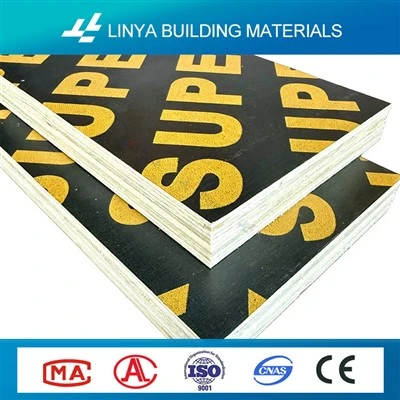
If you’re in the market for PVC formwork, or you have panels that are looking a little worse for wear and want to know how to get the most out of them, hit me up. We’ve been supplying PVC formwork to construction crews for years, and we know exactly what works on job sites—no overpriced products, just real advice. Whether you need new panels, replacement parts, or even tips tailored to your specific project, we’re here to help. Don’t let bad maintenance ruin your next project—reach out and let’s make sure your formwork lasts as long as it should.
Bamboo Formwork References
- American Society for Testing and Materials. Standard Specification for Poly(Vinyl Chloride) (PVC) Plastic Formwork Panels. ASTM D1785-21.
- Construction Industry Institute. Formwork Best Practices for Concrete Construction. CII Publication 298, 2020.
- European Committee for Standardization. Plastics – Poly(Vinyl Chloride) Sheets for Formwork – Specifications and Methods of Test. EN 13958:2014.
- National Ready Mixed Concrete Association. Formwork Maintenance and Handling Guidelines for Concrete Projects. NRMCA, 2019.
Shenzhen Linya Building Materials Co., Ltd.
We are one of the most professional PVC formwork manufacturers and suppliers in China, also support customized service. Welcome to buy bulk high quality PVC formwork in stock here from our factory. If you have any enquiry about free sample, please feel free to email us.
Address: Bantian International Center, No.5 Huancheng South Road, Ma’antang Community, Bantian Street, Longgang District, Shenzhen
E-mail: linya@formworksteelprop.com
WebSite: https://www.linyabuildingmaterials.com/
