What’s up everyone, it’s [Your Name], and if you’re here, odds are you’re deep in the weeds of the chemical industry – or you’re about to be, because olefin raw materials are the backbone of so much of what makes modern life work. For the last 12 years, I’ve been running a small-to-midsize supplier that focuses exclusively on polyolefins, ethylene alpha olefins, and propylene copolymers, and let me tell you, the market shifts I’ve watched over the past few years have been wild. If you’re a producer, manufacturer, or even a startup looking to lock in consistent feedstock, knowing where this market’s headed isn’t just helpful – it’s make-or-break for your bottom line. Olefin Raw Materials
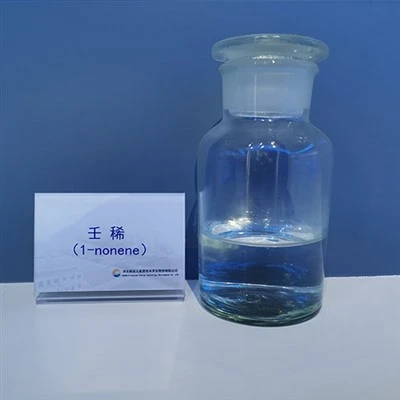
First off, let’s cut through the jargon: olefins are just simple hydrocarbons with double bonds – ethylene and propylene are the big two, right? They go into plastic packaging, automotive parts, even the fibers in your favorite hoodie. For years, the olefin market rode fossil fuels pretty hard: most ethylene came from steam cracking natural gas liquids (NGLs) or naphtha, which are both oil and gas byproducts. But lately? That’s flipped on its head, and it’s not just because of green trends – it’s because of supply chain chaos.
I remember 2020, right after COVID hit. Plants shut down, shipping lines backed up, and olefin prices spiked to levels I never thought I’d see – ethylene went from 35 cents a pound to over 80 cents in six months. Back then, everyone was panicking about demand dropping because factories worldwide slowed production. But here’s the thing: by 2021, demand bounced back faster than anyone predicted, because consumer goods companies were ramping up e-commerce packaging to keep up with online orders. That whiplash taught everyone – including me – that this market doesn’t follow a script.
Now, let’s talk the two biggest trends shaping right now: the move away from naphtha, and the rise of “green” olefins. Naphtha is still the go-to in Europe and parts of Asia, where natural gas prices have been crazy high since the Ukraine war. Last year, a lot of our European clients switched from naphtha-based ethylene to NGL-based – natural gas liquids are way cheaper right now over there, even with the energy crisis. But here in the U.S., it’s the opposite: we’ve got tons of cheap shale gas, so almost all new ethylene capacity over the past five years has been NGL-focused. That split is causing a ton of volatility in regional pricing – if you’re buying olefins, you can’t just look at one price point; you have to factor in where your supply’s coming from, because a plant shutdown in Texas can send U.S. prices jumping, while a refinery outage in Rotterdam messes with Europe’s numbers.
The second big one is green olefins. For a long time, people thought “green plastics” were just a marketing gimmick – bioplastics that didn’t work as well as traditional ones. But now, actual chemical manufacturers are making olefins from renewable feedstocks: plant-based sugars, even recycled plastic waste pyrolysis. Wait, let’s be clear: it’s not just “bio-based” – some of these are circular olefins, made by breaking down post-consumer plastic that would’ve gone to a landfill. A lot of my big packaging clients – like those making food containers and plastic film – are under pressure from brands like Coca-Cola and Unilever to hit carbon targets. They’re willing to pay a 10-15% premium for green olefins right now, and that number’s only going down as capacity grows. I’ve had a lot of skeptical clients come to me the last year, asking, “Is this just a fad?” No – last quarter, our green olefin sales were up 40% from 2022, and we’re expanding our storage and logistics to handle more of it next year. That’s not a fluke; regulators in the EU and U.S. are rolling out rules that make it harder for companies to use virgin fossil-based plastics without disclosing their carbon footprint.
But wait, it’s not all rainbows and low carbon numbers. There’s a huge bottleneck in supply right now for both traditional and green olefins. For traditional, new cracker construction has slowed the last two years because of high interest rates – building a steam cracker costs billions, and it takes 5-7 years to get up and running. So right now, we’re tight on capacity, which means lead times are longer. I used to be able to get standard ethylene to a client in 2 weeks; now it’s 4-6, and that’s if you’re not in a niche region. For green olefins? Same problem. Only a handful of plants in the world can make them at scale, so even with demand spiking, supply can’t keep up. A lot of smaller suppliers are popping up, but they’re mostly testing the waters, not consistent enough for big manufacturers. That’s where a reliable supplier like mine comes in – we’ve got long-term contracts with 12 olefin producers across North America and Europe, so we can lock in supply and price for clients, even when everyone else is scrambling.
Another trend I can’t skip: end-market demand shifting. Ten years ago, most olefins went into packaging. Now? The automotive sector is a fast-growing player – electric vehicles use a ton of lightweight polypropylene parts to cut weight and boost battery range. I’ve been supplying propylene copolymers to a new EV parts maker in Detroit, and their orders have tripled since 2022. Then there’s construction – pipes, insulation, window frames – that’s holding steady, but packaging is still the biggest, and the green packaging segment is stealing the spotlight here. On the flip side, consumer electronics demand is a bit flat right now; people aren’t upgrading phones or laptops as often, so that’s a small drag on olefin demand. But overall, it’s still growing – global olefin demand is projected to hit 300 million tons by 2028, up from around 220 million now.
Wait, let’s get real about the challenges, because it’s not all growth. Inflation’s been a killer: energy costs for crackers, shipping fees for moving olefins between ports, even labor at our warehouses has gone up 20% the last two years. We’ve had to adjust our pricing model to be flexible – locking in long-term price caps for clients who commit to 6-month orders, instead of the spot market’s wild swings. A lot of small manufacturers hate the spot market because prices can jump 20% in a month, so they’re willing to pay a small premium for consistency. That’s been a huge part of our success as a supplier.
Also, regulatory stuff is getting way tighter. The EPA in the U.S. just proposed new limits on plastic waste, and the EU’s Carbon Border Adjustment Mechanism (CBAM) is going to start taxing imported olefins that have high carbon footprints in 2026. So if you’re a manufacturer importing plastic parts made with non-green olefins, you’re going to have to pay a tariff. That’s pushing a lot of clients to switch to regional suppliers – someone who’s got lower carbon emissions or can use domestic green feedstocks – instead of sourcing from overseas where costs were lower before, but now the tariff cancels that out. I’ve had several clients switch from Asian suppliers to me in the last year, just because we can source from U.S. and European plants that meet the new rules, no extra tariffs.
Now, what does this all mean for you, if you’re in the market for olefin raw materials? Let’s break it down: first, don’t just rely on the spot market. The volatility isn’t going away anytime soon, with energy prices bouncing, regulatory changes, and capacity tight. Locking in long-term contracts with a supplier that has multiple supply sources is key. Second, if you haven’t started testing green olefins, do it soon. Your competitors already are, and brands are going to start requiring green content in their products in the next 2-3 years. The earlier you switch, the easier it’ll be to scale when supply catches up. Third, pay attention to regional supply. If you’re in Europe, NGL is cheaper than naphtha right now; if you’re in the U.S., make sure your supplier isn’t using naphtha feedstock, because natural gas prices are way more stable here.
I’ve been doing this long enough to know that the olefin market doesn’t wait for anyone. When the pandemic hit, most of my competitors bailed on small clients because they thought demand would crash. I stuck with ’em, and now those same small clients are my biggest long-term accounts. That’s the thing about this business – consistency, and being able to adapt to the trends, not just follow them.
If you’re a producer looking to lock in steady feedstock, a manufacturer needing to switch to green olefins, or even a startup trying to get your first supply contract, hit me up. We can chat about your specific needs – whether it’s standard ethylene, propylene, or custom green olefin blends. No sales pitch, just straight talk about what’s working right now, and how we can help you avoid the price swings and supply delays that sink so many businesses in this space.
Glycol Ethers References
- ICIS Global Olefin Market Report, 2023
- American Chemistry Council: U.S. Olefin Production Capacity Outlook, 2022-2028
- European Petrochemical Association (EPCA): Circular Olefins Market Trends, 2023
- International Energy Agency (IEA): Fossil Fuel Feedstock Demand for Chemicals, 2024
Hebei Xinxinyuan Energy Co., Ltd.
Hebei Xinxinyuan Energy Co., Ltd. is one of the most professional olefin raw materials manufacturers and suppliers in China, featured by quality products and good price. Please rest assured to wholesale customized olefin raw materials made in China here from our factory.
Address: Zhongjie Industrial Park, Huanghua City, Cangzhou City, Hebei Province, China
E-mail: atl2066@qq.com
WebSite: https://www.xinxinyuanfr.com/
